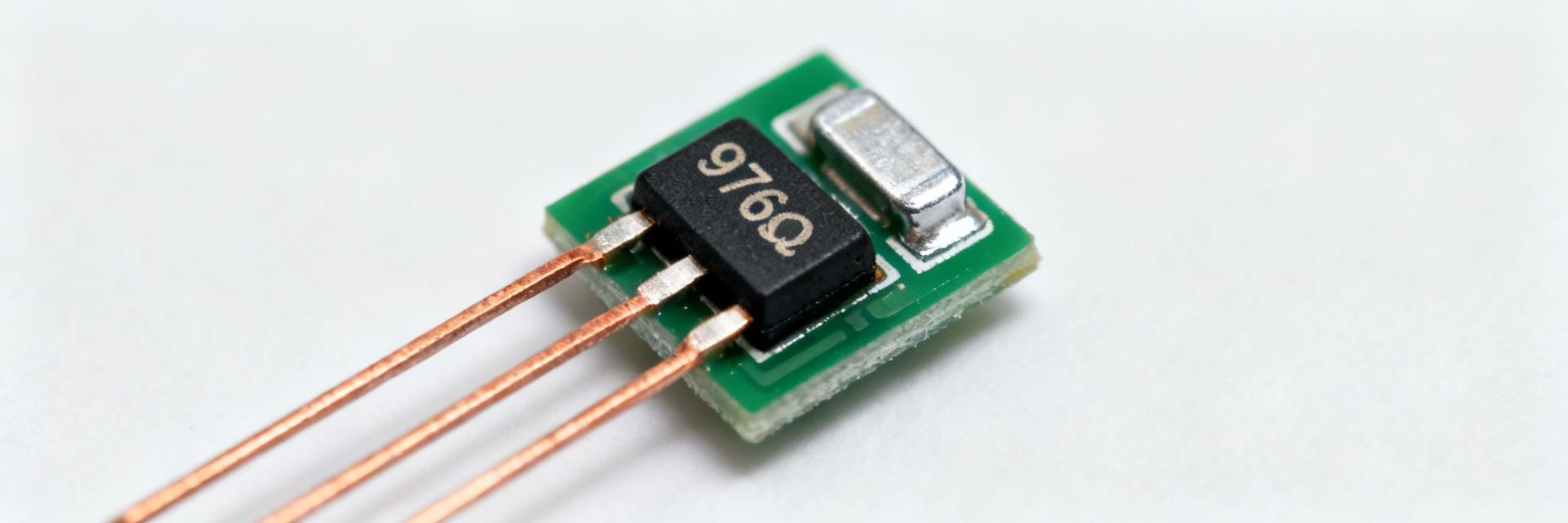
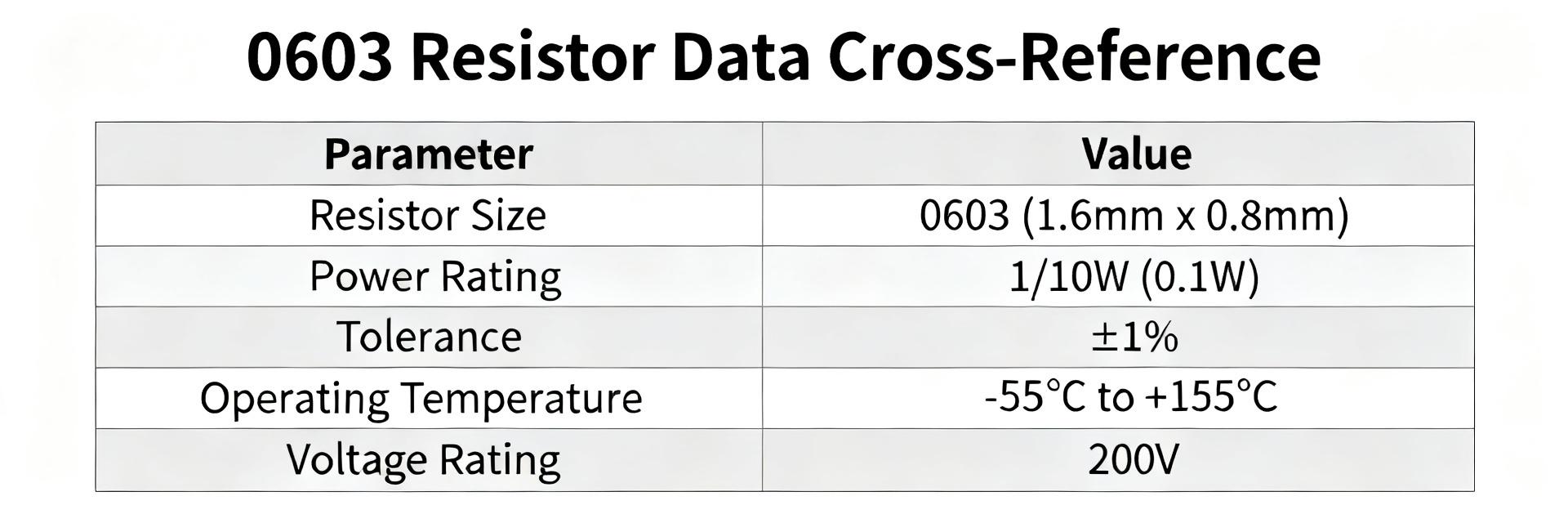
0603 SMD Resistor 750kΩ 1% — Detailed Specs & Datasheet
Point: 0603 components dominate high-density PCB assemblies, and designers often need high-value, tight-tolerance resistors for analog filtering and precise biasing. Evidence: many modern consumer and industrial boards use 0603 or smaller parts to save board area and cost. Explanation: this article decodes the 0603 SMD resistor datasheet and the 750kΩ 1% datasheet, showing which specs matter and offering sourcing and test guidance.
1 — What is a 0603 SMD resistor and where 750kΩ 1% is used (Background)
1.1 — Size & nomenclature explained
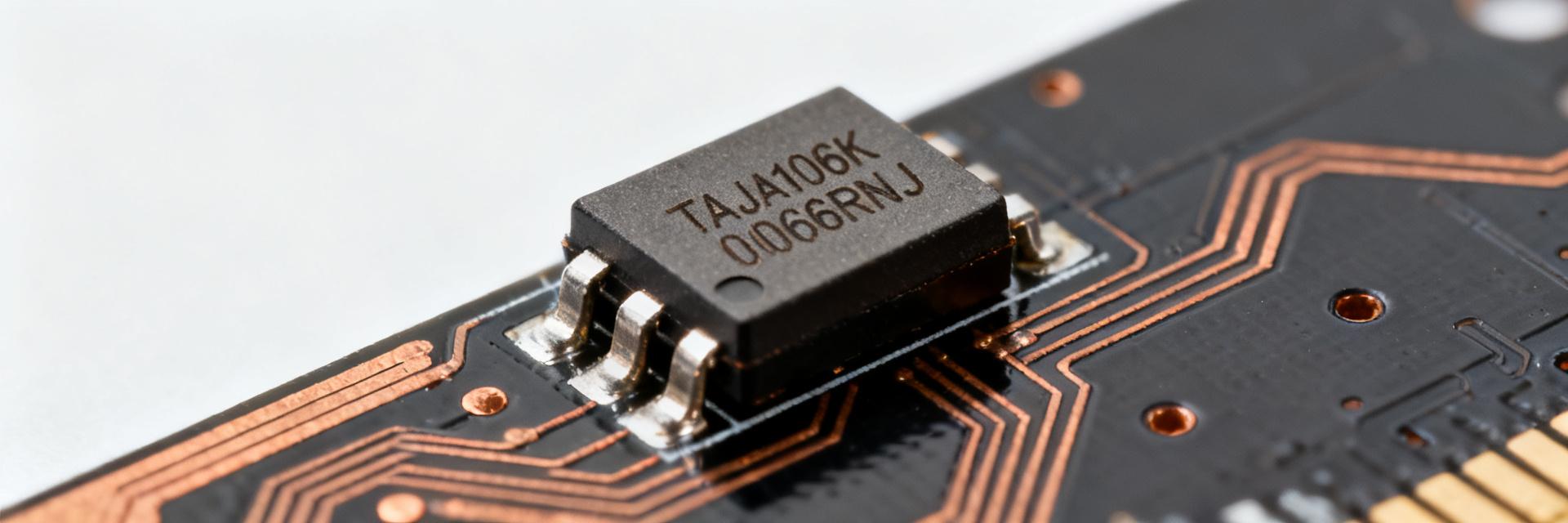
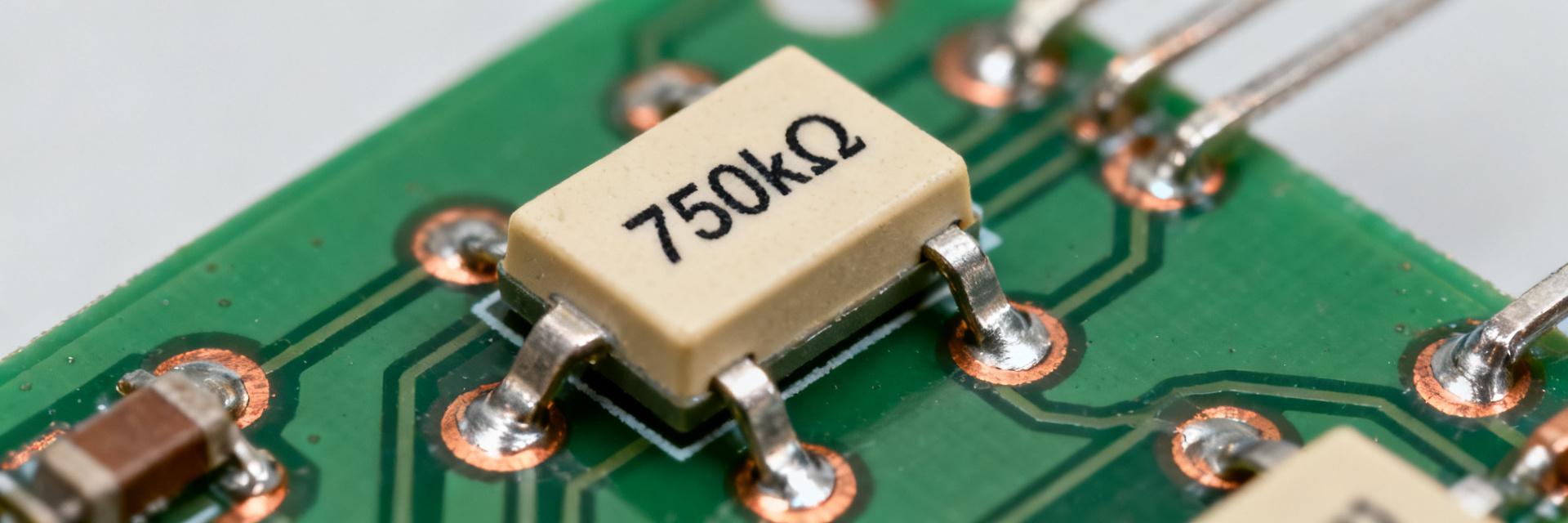
Point: 0603 (inch) corresponds to roughly 0.06" × 0.03" and the metric code 1608; designers must account for placement and footprint constraints. Evidence: the small body limits marking so 1% values are rarely printed; three‑digit codes are impractical on 0603 bodies. Explanation: when specifying a 0603 SMD resistor, provide value, tolerance, and preferred land pattern to ensure correct placement and assembly.
1.2 — Typical applications for 750kΩ 1% values
Point: 750kΩ at 1% tolerance is common in pull‑ups/bleeders, high‑impedance filters, and bias networks. Evidence: designers choose 1% where tolerance impacts DC offset, cutoff frequency, or divider accuracy. Explanation: example blocks include a microcontroller pull‑up for ADC, a high‑Z RC measurement input, and a bias divider in sensor front‑ends where predictable impedance matters.
2 — Datasheet breakdown: Key electrical specs to extract
Point: when assessing parts, confirm the exact field names used on the datasheet; the phrase "750kΩ 1% datasheet" should be located in the nominal resistance/tolerance section or example ordering codes. Evidence: datasheets list value tables and part numbering for high values and tolerances. Explanation: before ordering, capture nominal value, tolerance, and the datasheet reference for traceability.
| Spec | Typical values / range | Datasheet field |
|---|---|---|
| Resistance | 750kΩ (1%) | Value table / Ordering code |
| TCR | 50–200 ppm/°C | Temperature coefficient |
| Power | 0.0625–0.125 W | Rated power / Derating |
| Max Voltage | 50V - 75V | Max. Working Voltage |
2.1 — Resistance, tolerance, and temperature coefficient (TCR)
Point: nominal resistance and TCR determine drift; check the "750kΩ 1% datasheet" entry for ppm/°C. Evidence: typical thick‑film 0603 TCR ranges span ~50–200 ppm/°C; 1% tolerance defines allowable initial error. Explanation: at 750kΩ, a 100 ppm/°C TCR yields ~75 ppm per 750kΩ per °C change—significant for precision bias.
3 — Mechanical, environmental & reliability specs
3.1 — Physical/packaging specs
Point: copy package tolerances, termination finish, and packing quantity from the mechanical section. Evidence: datasheets give nominal dimensions and termination alloy (lead‑free). Explanation: these fields determine pick‑and‑place nozzle choice and ESD handling.
4 — Design & implementation guidelines
4.1 — PCB footprint and parasitics
Point: recommended land pattern minimizes mechanical stress. Evidence: parasitic capacitance for 0603 is small but relevant at high impedance. Explanation: keep traces short and use guard rings for sensitive nodes to reduce stray C affecting RC time constants.
Key Summary
- Verify nominal resistance, tolerance, and the TCR on the datasheet; these dictate drift and accuracy for high‑Z circuits.
- Confirm rated power and maximum working voltage from the datasheet; compute V²/R dissipation to avoid thermal overstress.
- Record mechanical and packaging fields and perform a guarded resistance check on samples prior to PCB assembly.
Frequently Asked Questions
How should I measure a 0603 SMD resistor accurately?
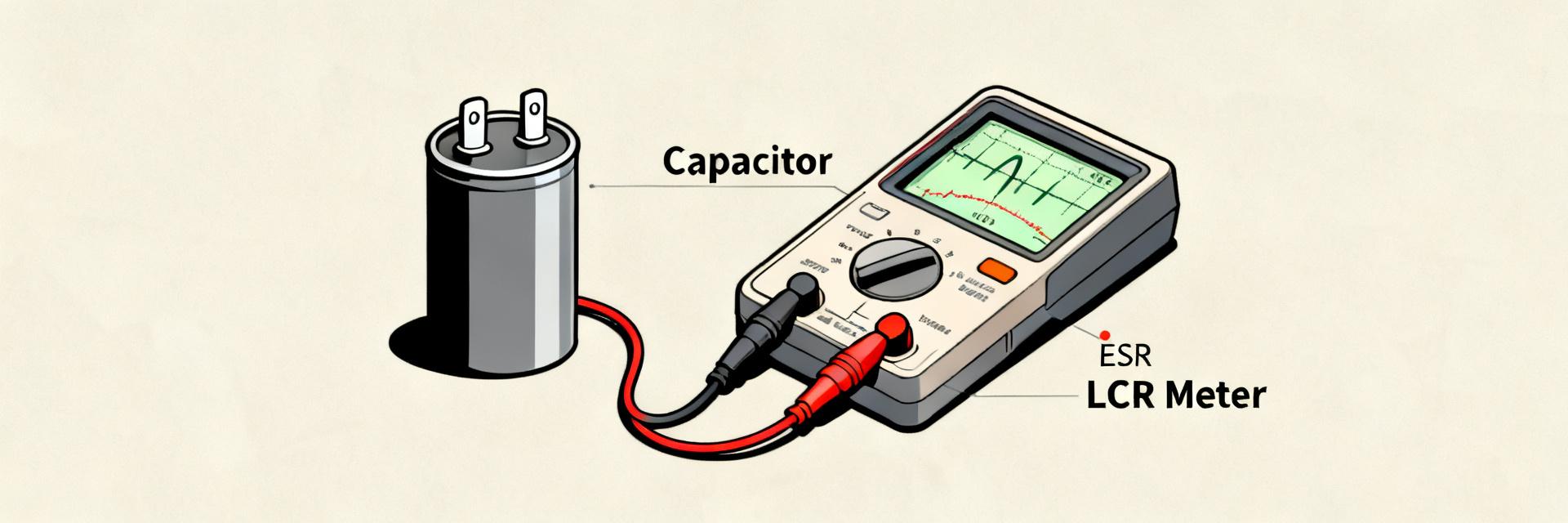
Use a guarded electrometer or high‑quality DMM with guarding, clean the board area, avoid finger contact, and isolate the resistor from parallel leakage paths. Short wiring and Kelvin clips are recommended for precision readings at high resistance values.
What TCR is acceptable for a 750kΩ 1% resistor in precision bias networks?
Choose the lowest practical TCR for bias networks where drift affects accuracy; typical acceptable ranges are 50–100 ppm/°C. Higher TCRs cause measurable offset over temperature shifts.
Can I use any 0603 SMD resistor as a drop‑in for 750kΩ 1%?
No—match tolerance, TCR, maximum working voltage, and power rating. Identical nominal resistance does not guarantee matching voltage limits or soldering stability.
Why is voltage rating critical for 750kΩ resistors in small packages?
High resistance values often operate at higher voltages; 0603 packages have physical limits (typically 50V-75V). Exceeding this can cause arcing or permanent resistance shifts due to the voltage coefficient of resistance.