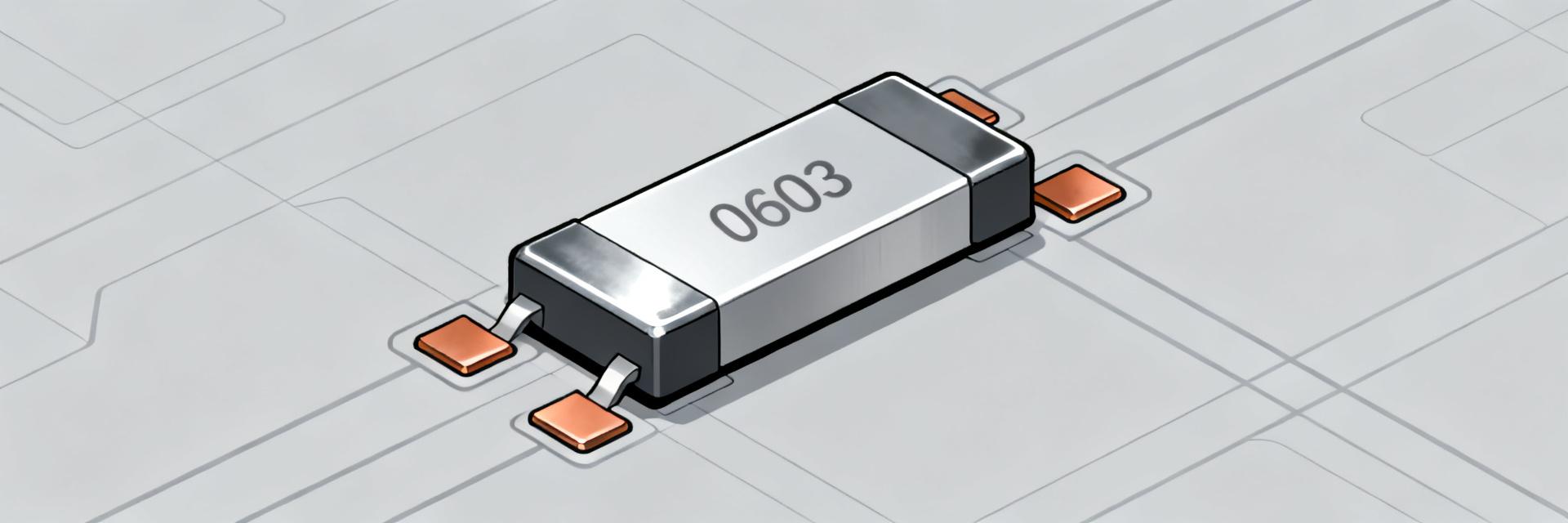
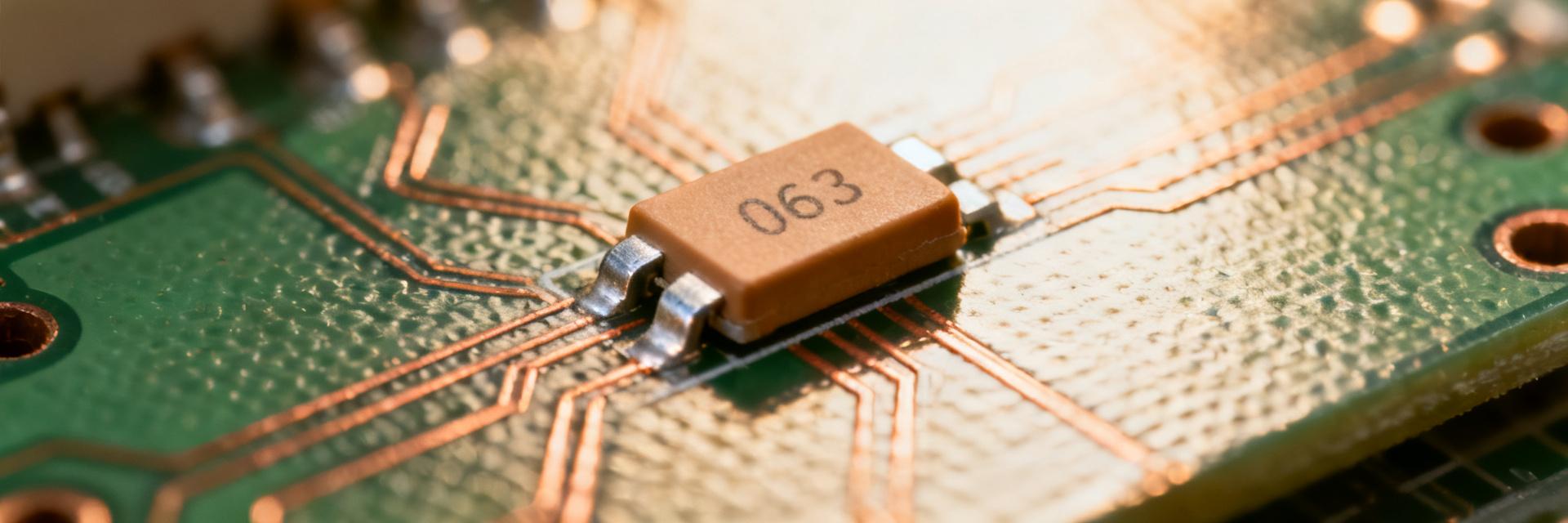
874380343 Connector: Latest Specs, Footprint & Stock Data
Quick, data-driven reference for engineers and procurement teams: this article presents consolidated 874380343 connector specs and sourcing guidance so teams can make fast, confident BOM and layout decisions. Market inventory snapshots show large variability in availability and lead times for compact 1.5 mm–pitch 3‑pin right‑angle board headers, so verified electrical/mechanical data plus a tight footprint and procurement checklist are essential.
The editorial goal is a single‑page technical reference for BOM, PCB layout and sourcing choices, focused on rapid decision points and verification steps. Evidence here derives from standard manufacturer datasheet practice and real‑world procurement signals; readers should confirm a chosen lot against the official datasheet and mechanical drawing before production.
Quick overview: what 874380343 is and where it’s used (Background introduction)

Key form factor at a glance
Point: The 874380343 is a compact 1.5 mm‑pitch, 3‑contact right‑angle board header in an SMT mounting style used for low‑profile signal connections.
Evidence: Datasheet families for pico‑pitch right‑angle headers follow a common form: small thermoplastic shroud, 3 conductors, SMD gull‑lead termination.
Explanation: Designers choose this part for space‑constrained consumer and industrial PCBs where a low mating height and reliable signal pins are required.
Typical application environments & constraints
Point: Typical expectations include low to moderate current, limited voltage class, and sensitivity to mechanical stress.
Evidence: These headers are commonly rated in the 2–3 A class with contact resistance and insulation values suitable for signal or low‑power use.
Explanation: Consider vibration, operating temperature range, and mating cycles—validate mates and retention force in the target environment and account for clearance in tight multi‑board stacks.
Latest electrical & mechanical connector specs for 874380343 (Data analysis)
Electrical ratings and contact data
Note: Expected electrical envelope places this family in the low‑power signal connector class; confirm exact connector specs on the datasheet.
Mechanical dimensions & materials
Point: Mechanical criticals determine PCB fit and assembly reliability.
Evidence: Key measures to verify are 1.5 mm pitch, pin‑to‑board height, shroud length, pad centerline, and recommended keepouts; housings typically use high‑temperature thermoplastic and plated copper alloy contacts.
Explanation: Pay special attention to tolerances affecting solder fillet formation and whether contact plating (tin, gold) suits the mating cycle and corrosion environment.
Footprint & PCB land pattern for 874380343 (Method / hands‑on guide)
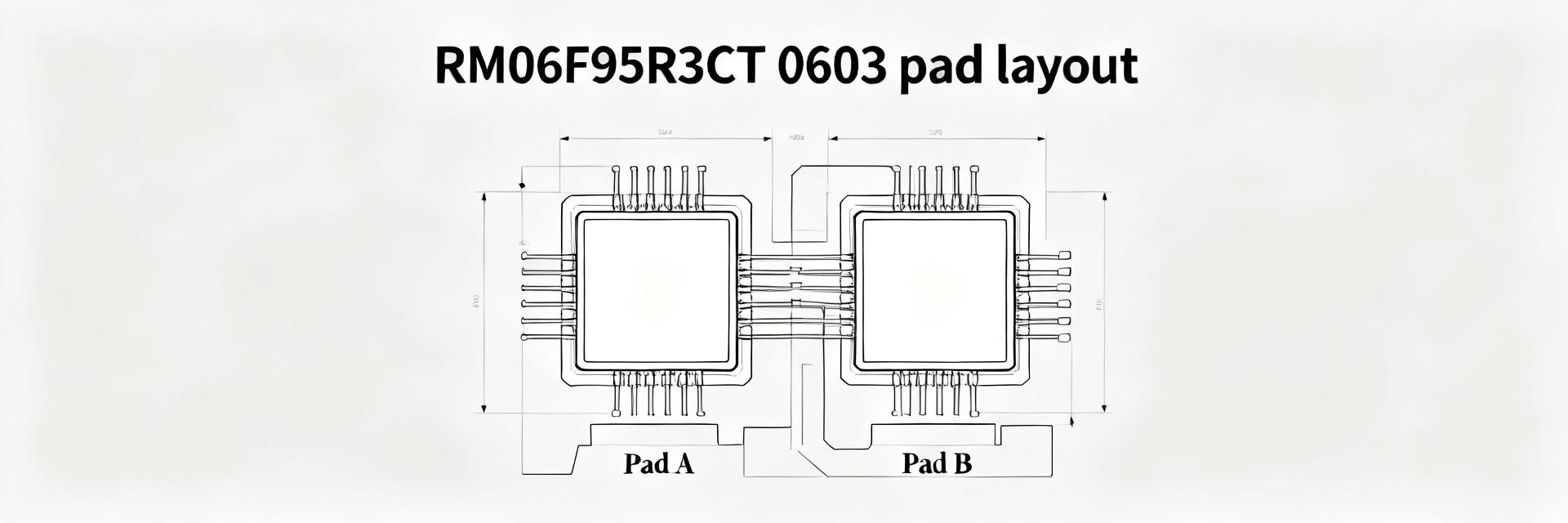
Recommended PCB land pattern and CAD exports
Use the manufacturer’s recommended land pattern as the authoritative source for the connector footprint and then validate in CAD. Evidence: Typical guidance prescribes pad length slightly longer than pin land, a solder mask relief around pads, and paste mask apertures sized to 60–80% of pad area for controlled solder volume.
Explanation: Export neutral CAD libraries only after cross‑checking mechanical drawings; the verified connector footprint minimizes tombstoning and ensures reliable wetting during reflow.
Assembly and DFM checks
Right‑angle SMT headers need specific DFM and assembly validation. Short pin counts increase tombstoning risk and require paste optimization; pick‑and‑place machines need clear fiducials and nominal placement references.
Explanation: Define a reflow profile compatible with the housing material, adjust paste stencil apertures for each pad, and plan optical or X‑ray inspection for solder joint acceptability on hidden leads.
Stock, pricing trends & lead‑time checklist (Data & procurement)
What stock indicators to monitor
Monitor multiple indicators to distinguish transient shortages from structural scarcity. Evidence: Useful signals include distributor stock feeds, shifting price bands, lead‑time windows, MOQ changes, lot status flags and EOL notices from suppliers.
Insight: Sudden stock drops with unchanged pricing often indicate buys by others; persistent lead‑time extension with price inflation suggests longer‑term supply pressure requiring alternate sourcing.
Rapid procurement tactics and risk mitigation
When stock tightens, prioritize options that preserve traceability and quality. Short‑term tactics include buying tested reels, confirming reel or cut‑tape packaging, and securing flexible lead‑time allocations from multiple manufacturers.
Action: Create a cross‑qualification plan, maintain safety stock for long‑lead components, and document reel photos, lot codes and certs to avoid counterfeit or mismatched material in production.
Cross‑references, compatible alternatives & validation steps (Case display + action)
Practical action checklist for designers & buyers (Actionable recommendations)
Design checklist (pre‑layout)
- ✔ Implement pre‑layout checks to avoid rework late in design.
- ✔ Use verified footprint and reserve shroud keepouts.
- ✔ Define appropriate paste stencil apertures.
- ✔ Order prototype samples early for DFM review.
Procurement checklist (lifecycle)
- 🛒 Lock traceability and alternate plans into the BOM.
- 🛒 Verify lot traceability and obtain reel/box photos.
- 🛒 Maintain a cross‑qualified alternate list.
- 🛒 Set reorder points based on extended lead times.