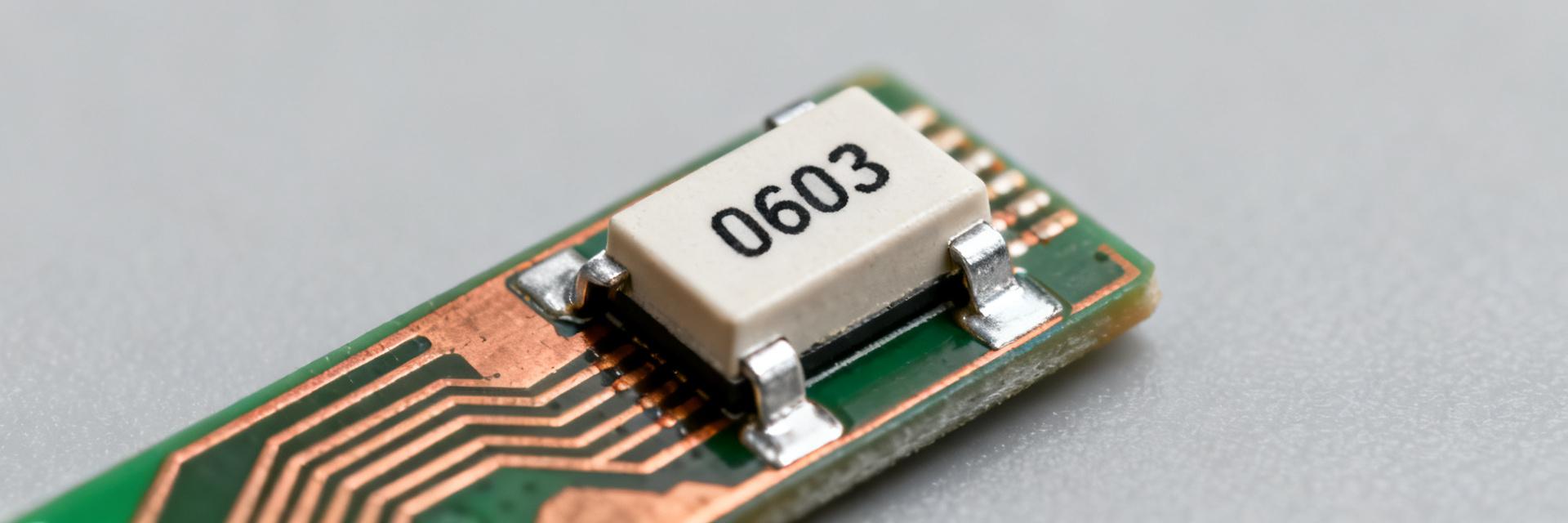
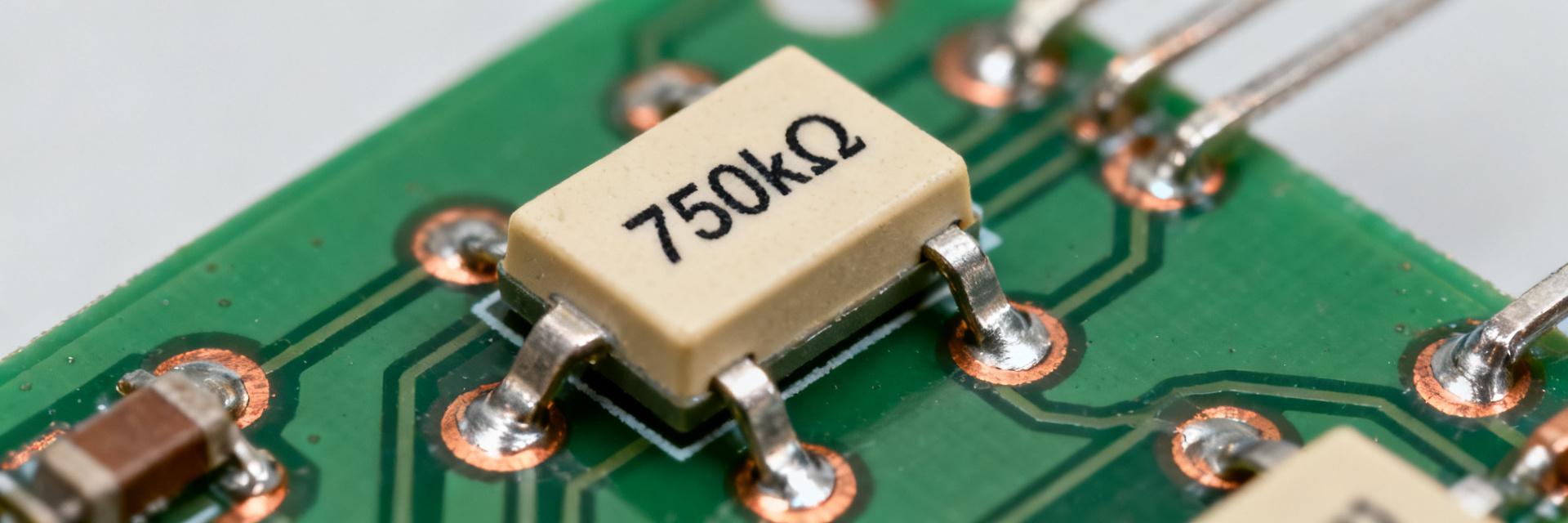
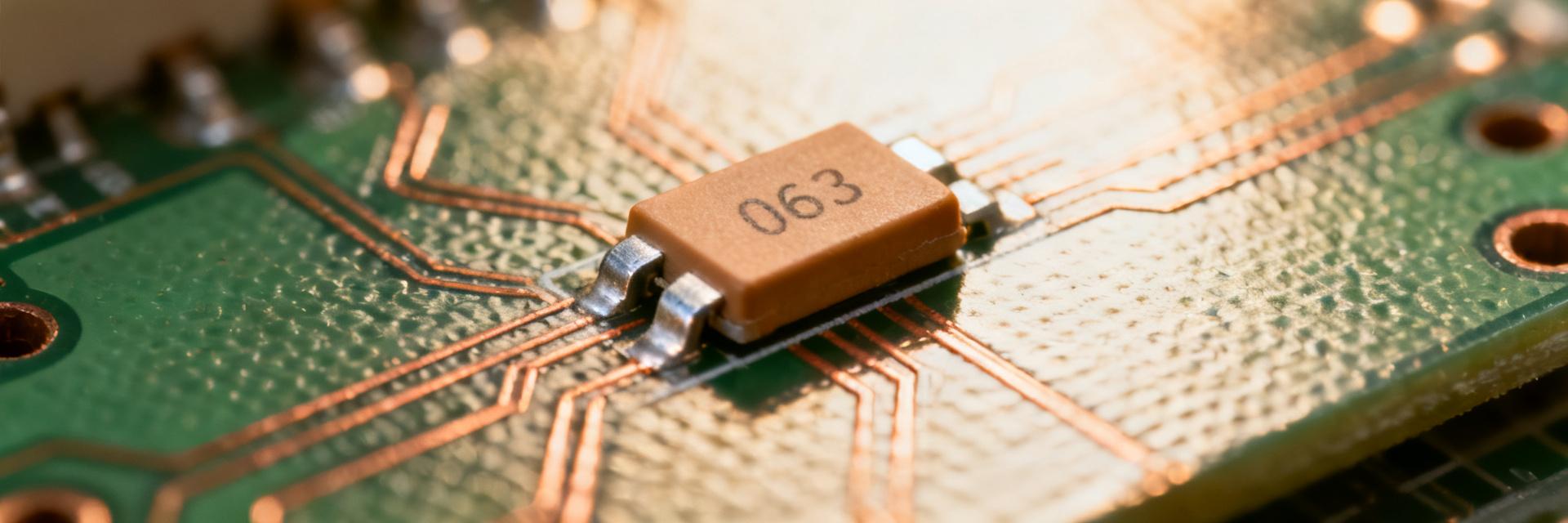
0603 SMD resistor spec report: 8.25kΩ 1% test data
Background: 0603 SMD Resistor Basics and Spec Relevance
Design Implications of "0603" & "1%"
Point: Package size and accuracy determine circuit matching and placement precision.
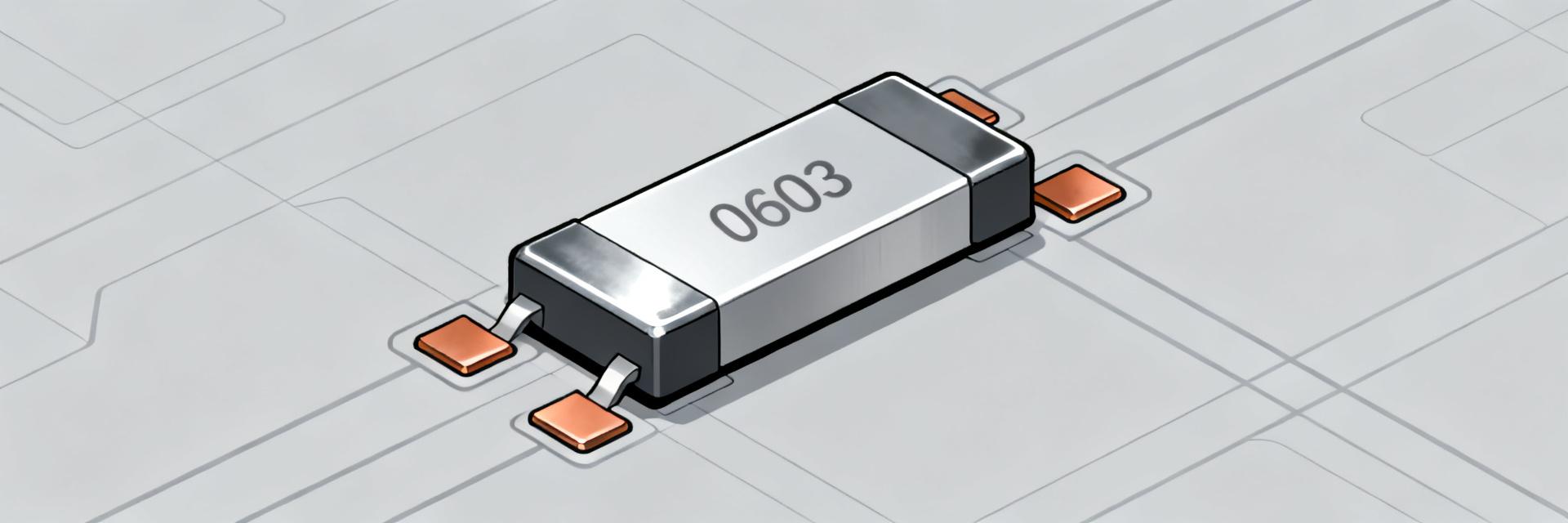
Evidence: A nominal 8.25kΩ (8250 Ω) value in a 0603 footprint (approx. 0.06"×0.03") with 1% accuracy.
Explanation: Designers must account for land pattern size and thermal coupling. 1% tolerance reduces headroom for drift, making layout critical for precision sensing networks.
Key Performance Parameters
Point: A compact spec captures both static and dynamic metrics.
Evidence: Parameters include initial resistance, tempco (ppm/°C), rated power, and ΔR/R under environmental stress.
Explanation: Acceptance criteria guide design derating; for example, max ΔR after reflow should be ≤ ±0.5% to ensure long-term stability.
Test Setup & Methods for 0603 SMD Resistor Characterization
Sample Selection & Statistical Plan
Typical laboratory plans use 30–100 pieces for statistical confidence. This report used N=50 with lot traceability and a pre-test bake at 125°C/24h. Pass/fail metrics utilize mean, standard deviation, and Grubbs' outlier rule. Fixtures utilize Kelvin (4-wire) connections to minimize contact resistance.
Measurement Equipment & Calibration
Equipment includes a calibrated 4‑wire ohmmeter, thermal chamber for temp sweeps, and a logged reflow oven. Measurements were conducted at 25.0 ±0.5 °C with 1 mA test current and 10 s averaging to ensure precision.
Test Results & Data Analysis
Tolerance Utilization Chart
Note: Baseline verifies manufacturing conformity to 8.25kΩ. All samples remained well within the 1% guard band.
Case Study: Real-World PCB Integration
Mounting & Soldering Effects
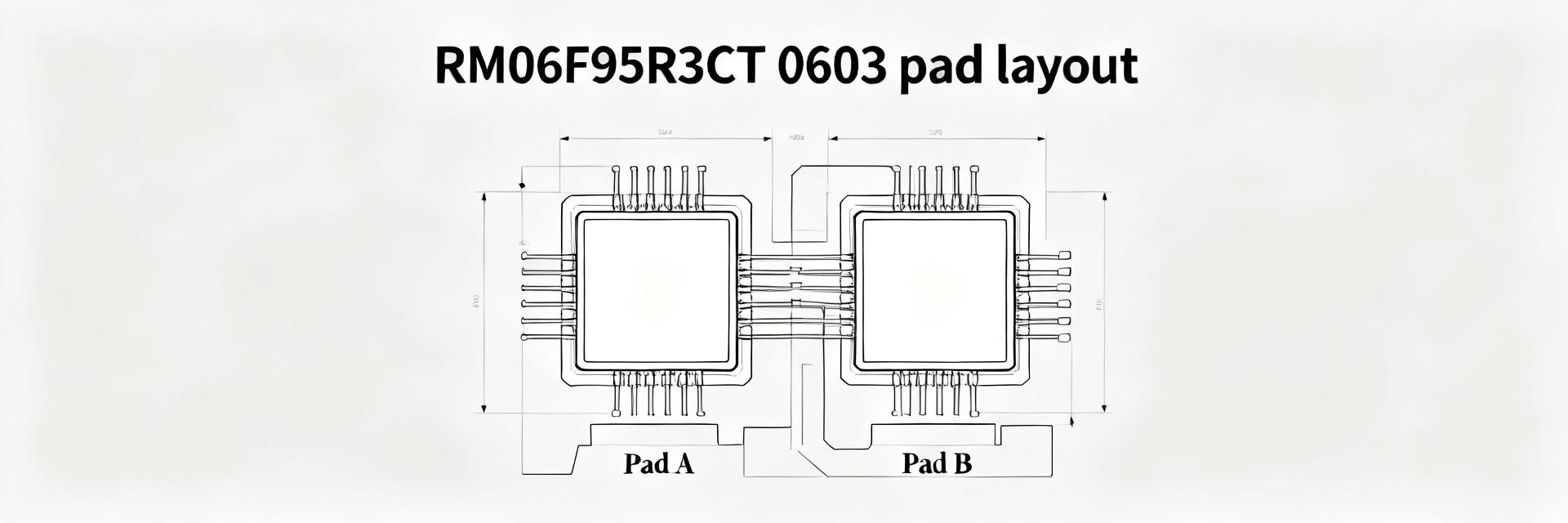
Assembly variables can dominate small shifts. Prototypes showed that increased solder fillet volume and higher local peak temperatures (+10–20 °C) correlate with an additional +0.05–0.15% resistance shift. Recommendation: Use symmetric pads and target a reflow peak of 235–250 °C.
Noise & Layout
Layout determines effective performance. Keep 0603 parts away from heat sources and use short Kelvin traces for sense connections. Measured voltage coefficient remained stable when isolated from large copper pours and hot components.
Practical Spec Sheet & Procurement Guidance
Recommended Acceptance Criteria
- ✔Initial R within ±1% of nominal
- ✔Mean ΔR after reflow ≤ ±0.5%
- ✔Humidity soak drift (85/85) ≤ ±0.8%
- ✔Thermal cycling ΔR ≤ ±0.6%
Procurement & Inspection
Suggested incoming sample: 30 pcs per lot for 4‑wire measurement. Visual inspection for solderability and cracks is mandatory. Always request supplier lot test reports and date code traceability to ensure consistent performance in production.
Summary
- Lab Baseline: 8.25kΩ parts are tightly distributed (mean +0.12%, SD 0.18%), supporting confident BOM use in precision designs.
- Stress Performance: Reflow produced mean ΔR ≈ +0.12%; humidity soak increased drift to ≈ +0.35%. Set conservative limits at ±0.5% and ±0.8% respectively.
- Action Plan: Adopt recommended footprints, perform incoming 4‑wire checks, and include the provided checklist in procurement documentation.