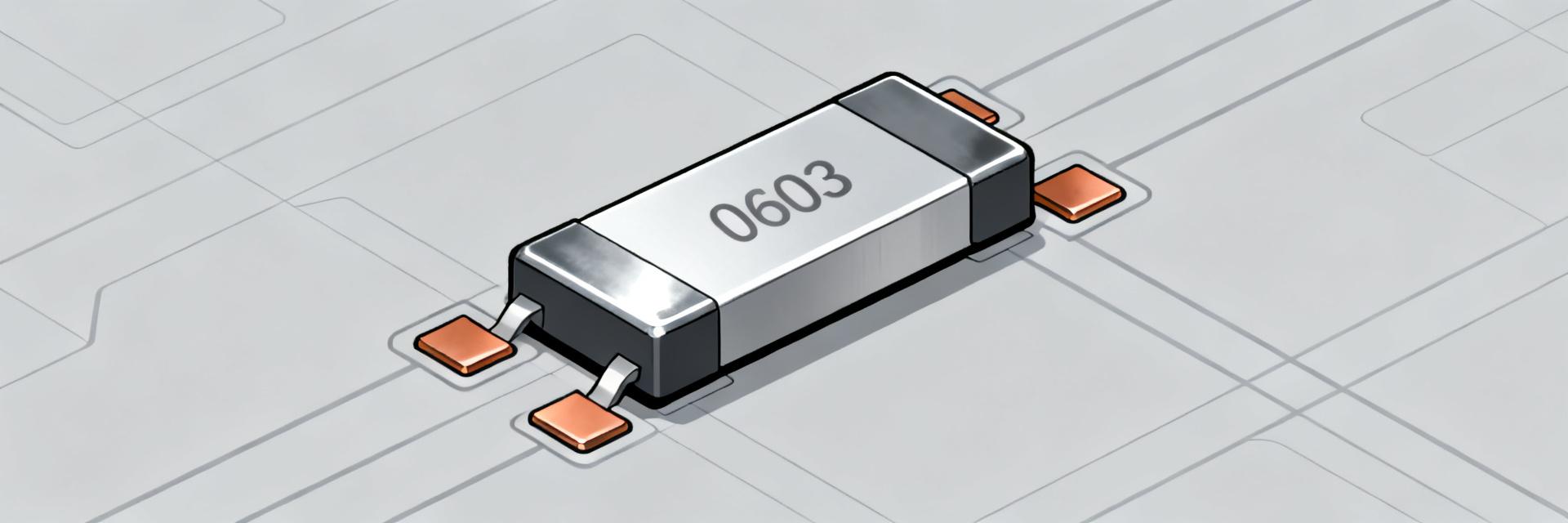
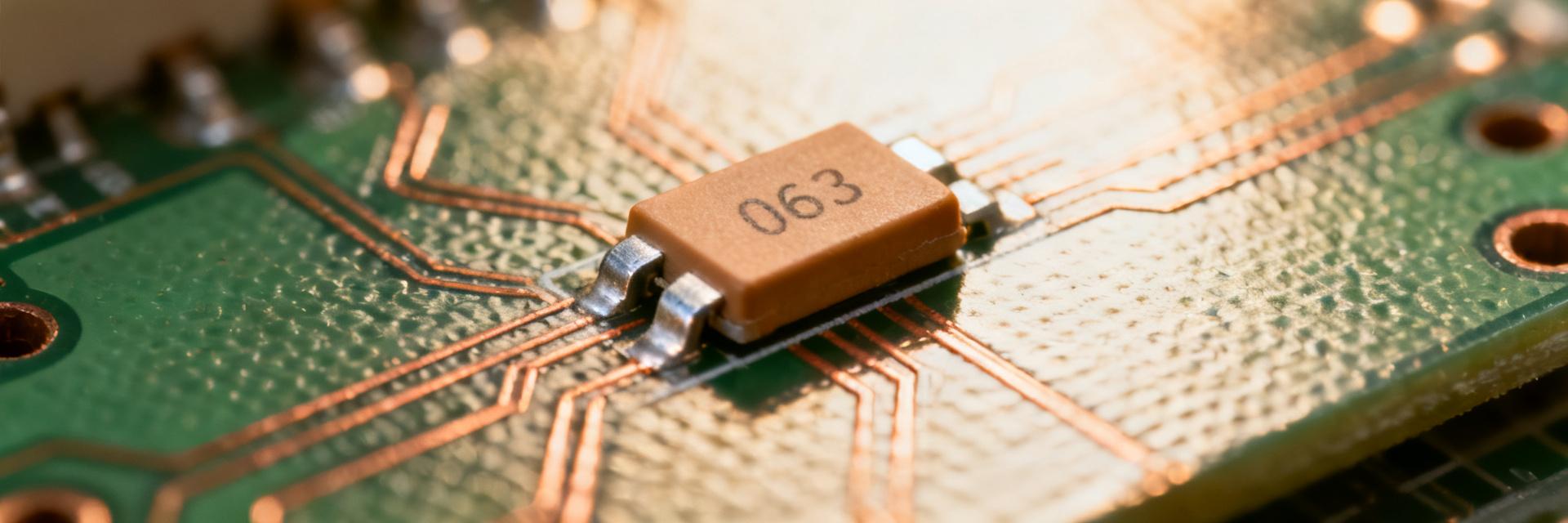
70498-4068 Connector Reliability Data & Test Results
Executive Summary: Recent accelerated assessments show measurable drift in contact resistance and retention metrics that materially affect expected field life. Baseline contact resistance rose beyond control limits after combined thermal and vibration cycling. This report interprets implications for design and procurement to reduce in-service risk and lower warranty exposure.
Background: Part Overview & Reliability Context

Technical Summary & Typical Applications
The 70498-4068 is a compact, multi-pin rectangular connector featuring stamped-and-formed contacts and positive retention features optimized for high-density environments. It typically supports low-voltage signal and low-current power (up to single-digit amperes) with polarized housings for secure mating.
Application Scope: Vehicle body electronics, industrial control modules, and rack-level telecommunications where mechanical shock and thermal fluctuations are prevalent.
Test Program & Methods
To detect early-stage degradation, a statistically meaningful test program utilized multiple lots (n=30 per lot) across various stress environments, simulating real-world lifecycle exhaustion.
Test Matrix & Sample Sizing
| Test Protocol | Environmental Conditions | Sample Size (n) |
|---|---|---|
| Thermal Cycle | -40°C to 85°C, 500 Cycles | 30 |
| Humidity Soak | 85% RH, 85°C, 96h | 30 |
| Vibration | Random, 5–2000 Hz, 12h | 30 |
| Salt Spray | Neutral Salt Fog, 48–96h | 10–15 |
Measurement Methods & Pass Thresholds
Data Analysis: Test Results & Interpreted Metrics
Electrical Performance Results
Electrical metrics showed quantifiable drift under combined stress. Median contact resistance increased following thermal/vibration sequences, with specific subsets exceeding acceptance drift limits. Insulation remained stable except in extreme salt-fog scenarios. Engineers should calculate potential voltage drops and heat generation at peak operating currents to determine necessary derating.
Mechanical & Durability Results
Mechanical integrity was generally acceptable; however, retention force trended downward by several Newtons after humidity exposure. Visual inspections identified localized plating wear and minor housing deformation. This suggests a need for scheduled inspection intervals and verification of latch engagement in high-vibration deployments.
Relative Performance Stability (Post-Stress)
Root-Cause Findings & Corrective Actions
Failure-Mode Analysis
Observed failures correlate directly to contact finish and mechanical tolerance stacks. Resistance spikes were consistent with samples exhibiting fretting corrosion due to insufficient plating thickness and marginal contact spring force.
Design & Material Mitigations
- ▶ Plating Upgrades: Implementation of thicker noble metal plating to prevent oxidative fretting.
- ▶ Lubricant Application: Use of high-stability contact lubricants to reduce mechanical wear during vibration.
- ▶ Process Controls: Tighter assembly torque specifications and periodic incoming lot auditing to ensure consistency.
Practical Recommendations for Engineering & Procurement
Design Flow Integration
Integrate measured degradation into system-level derating and maintenance planning. Use contact resistance drift data to size conductor runs and set RMA (Return Merchandise Authorization) criteria.
Documentation Standards
Mandate lab-certified reports with raw logs and lot IDs. Essential artifacts must include lot traceability and summary charts showing Mean ± Confidence Intervals (CI) for every critical metric.