52559-1652: Complete Specs & Sourcing Snapshot for PCB Design
In many compact consumer and industrial PCBs, a 0.5 mm-pitch FFC/FPC connector is the default choice where thin flexible cables must mate reliably in a tight profile.

What the 52559-1652 Is and Where It’s Used
Part Profile & Applications
The 52559-1652 is a 0.5 mm pitch, 16-position, vertical ZIF FFC/FPC connector in an SMD package. Designers prioritize this for repeatable mating cycles and predictable impedance in camera modules, handheld devices, and compact displays.
Performance Parameters
Early lock-in of electrical and mechanical parameters prevents costly PCB respins. Key factors include ZIF actuation, rated voltage/current per contact, and RoHS status—all critical for land pattern accuracy.
Complete Technical Specifications
Mechanical & Dimensional Data
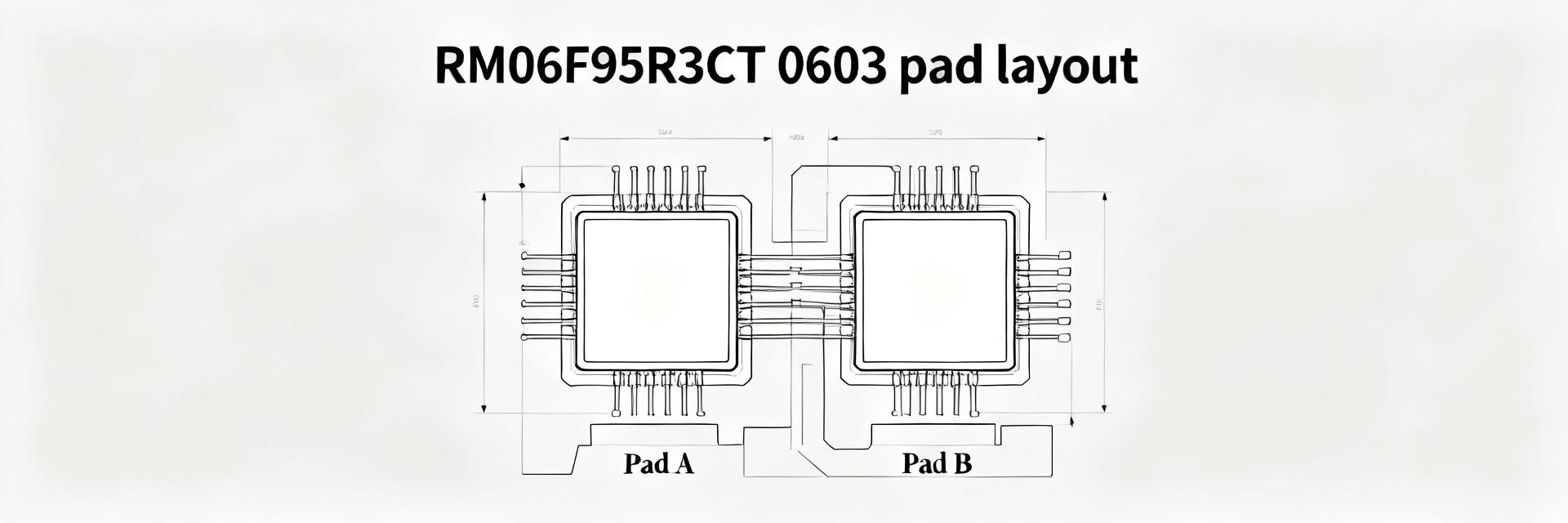
Precise mechanical dimensions are essential for CAD library accuracy. Below are the recommended copy-paste pad data for land pattern development:
| Feature | Example CAD Callout |
|---|---|
| Pitch | 0.50 mm |
| Pad Size | 0.45 × 0.90 mm |
| Pad Pitch | 0.50 mm center-to-center |
| Tolerance Guidance | ±0.05 mm on pads; mask expansion +0.05/-0.02 mm |
Electrical, Material & Compliance
Typical ratings for this class include: Voltage: 30–50V | Current: 0.3–1A | Contact Resistance: <100 mΩ. Ensure gold flash plating is specified for reliability in high-humidity environments.
Sourcing Snapshot: Availability & Pricing
Market Pricing Band
Prototype unit pricing typically varies based on volume and packaging:
Lifecycle Risk Strategy
- Verify active status via official manufacturer notices.
- Qualify footprint-compatible alternates early in the design cycle.
- Monitor lead times (typically 8-12 weeks during demand spikes).
PCB Footprint & Assembly Guidance
Land Pattern Best Practices
Translate mechanical callouts into robust CAD footprints. Use 60–80% stencil aperture for fine SMD tails and add pick-and-place fiducials nearby. Ensure a 0.5 mm keepout area for the latch and cable entry path.
Reflow & Test Considerations
Reflow profiles must respect the housing material's Tmax. Perform high-magnification optical inspection on SMD tails and insert the FFC only after final mechanical checks to prevent board flex stress.
Procurement & Risk-Mitigation Checklist
BOM Entry Checklist
- Full Manufacturer Part Number (MPN)
- Detailed description: 0.5mm, 16-Pos, Vertical ZIF
- Packaging code: Tape & Reel for automation
- Approved second-source alternates
Supply-Chain Risk Actions
- Order samples during the prototyping phase
- Verify reel orientation for assembly lines
- Maintain safety stock for high-volume runs
- Monitor NRND (Not Recommended for New Design) notices
Key Summary
- Structure: 0.5 mm pitch, 16-position vertical ZIF; confirm all mechanical specs before finalizing the PCB footprint.
- Geometry: Recommended pad 0.45 × 0.90 mm with 0.5 mm pitch and ±0.05 mm tolerance; include 0.5 mm keepout.
- Strategy: Budget $0.50–$1.50/unit; pre-qualify alternates and use Tape & Reel for efficiency.