RM06J152CT SMD Resistor: Specs & Stock Snapshot Guide
Point: The RM06J152CT is a common SMD resistor used on dense signal boards. Evidence: It is offered as a 0603 (1608 metric) thick‑film part specified at 1.5 kΩ ±5% with a 0.1 W (1/10 W) power rating. Explanation: These concise specs make the part suitable for pull‑ups/pull‑downs and general signal conditioning where space and low power are priorities.
Point: Quick market context for engineers and buyers. Evidence: Inventory aggregators and marketplace snapshots show variable availability for 0603 thick‑film parts as board demand and supply‑chain shifts occur. Explanation: That variability drives the need for a concise spec checklist and procurement snapshot to support design and purchasing decisions.
1 — RM06J152CT at a glance (Background introduction)

Key specs to call out
Point: Core electrical parameters determine interchangeability and performance. Evidence: Typical electrical entries to confirm are resistance (1.5 kΩ), tolerance (±5%), and rated power (0.1 W); the part is a 0603 / 1608 metric thick‑film chip. Explanation: Confirming that string—resistance, tolerance, power, package and material type—against the official datasheet is the first gate for selection and cross‑reference.
Physical dimensions & PCB footprint implications
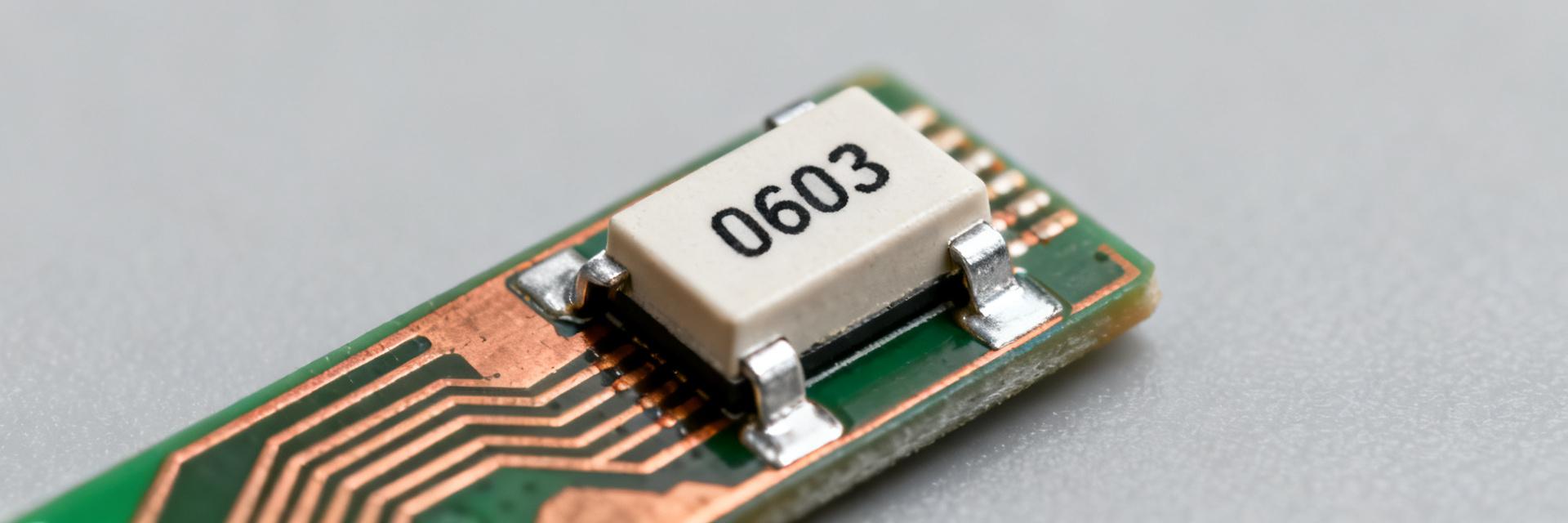
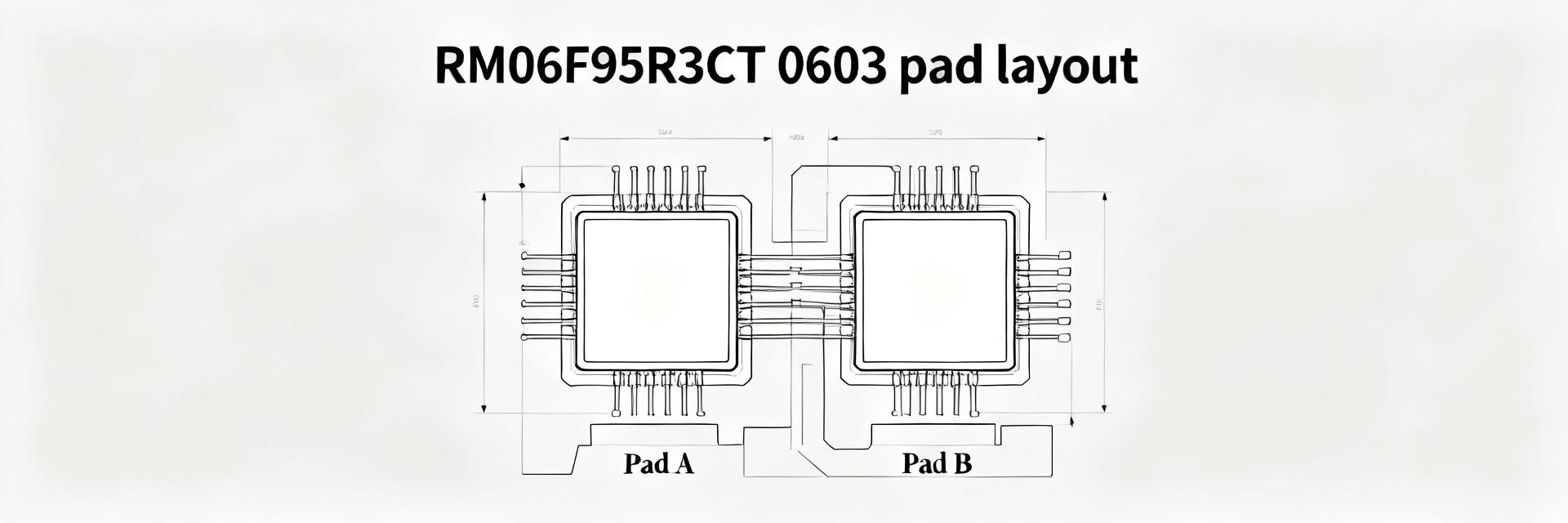
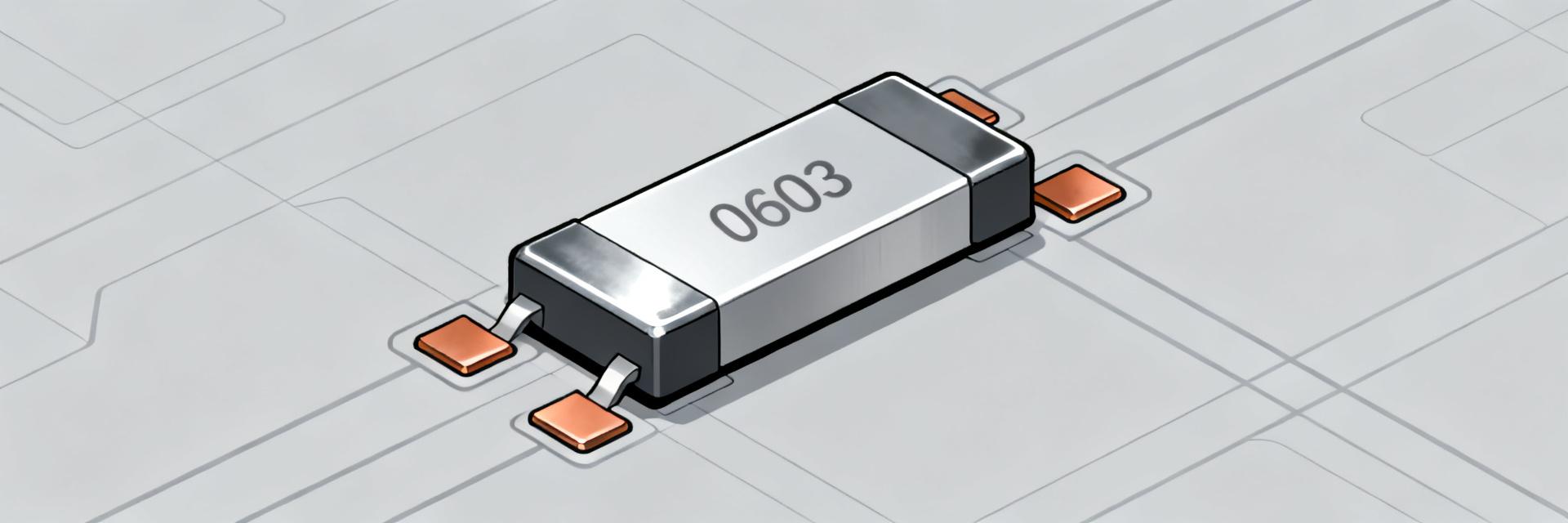
Point: Package geometry impacts pad design and thermal behavior. Evidence: 0603 (1608) nominal dimension is about 1.6 mm × 0.8 mm (0.063" × 0.031"), with corresponding recommended land patterns that support solder fillet and reliable fillet volumes. Explanation: Use manufacturer land pattern guidance, allow for 0.15–0.25 mm paste aperture reduction for 0603, and confirm pick‑and‑place nozzle compatibility to reduce assembly defects.
2 — Stock & availability snapshot (US market) (Data analysis)
Current availability trends & lead‑time signals
Point: Availability status categories help production planning. Evidence: Aggregated marketplace signals typically report statuses as "in stock," "allocated/backordered," or "lead time X weeks/months"; searches for the exact part number and modifiers such as stock USA or availability reveal rapid shifts. Explanation: Treat "in stock" for immediate buys, "allocated" as constrained for planning, and multi‑week lead times as requiring forecasted procurement or approved substitutes.
Pricing bands, packaging quantities & MOQ patterns
Point: Normalize cost per unit across different order sizes to compare offers. Evidence: Typical sample or low‑volume pricing often ranges $0.01–$0.10 per unit, while bulk reel pricing can fall below $0.01 per unit; common reel packs are in the 2k–5k range and MOQs reflect that. Explanation: When evaluating suppliers, compute landed unit price after MOQ, freight, and tariffs, and compare unit cost on an apples‑to‑apples basis (per‑resistor after reel/pack adjustments).
3 — Specs deep‑dive: electrical and thermal considerations (Data/Method)
Electrical characteristics and what they mean in‑circuit
Point: Several passive characteristics affect behavior beyond nominal resistance. Evidence: For thick‑film 0603 parts expect typical TCR in the low hundreds ppm/°C, moderate noise, and small parasitic inductance; tolerance and power determine expected worst‑case circuit impact. Explanation: In voltage divider or bias networks, use tolerance and TCR to budget worst‑case voltages, and derate power to avoid elevated temperature drift or reliability concerns.
Thermal, reliability, and derating guidance
Point: Thermal derating preserves life and reduces drift risk. Evidence: A 0.1 W rating for 0603 parts is conditional on ambient and board thermal conduction; many designs derate linearly above ~70°C and avoid continuous operation at the full rated power. Explanation: Design boards with adequate copper for heat spread, follow reflow profiles recommended for thick‑film chips, and plan prototype thermal cycling or power‑soak tests to verify in‑system behavior.
4 — Selection, cross‑reference & substitution strategies (Method guide)
Electrical equivalence checklist for replacements
Point: A short checklist speeds safe substitutions. Evidence: Verify resistance value, tolerance, rated power, package size, and TCR/failure modes; ensure special considerations like current noise or high‑voltage derating are met. Explanation: If a substitute differs in tolerance or power, recalculate worst‑case voltages and thermal margins, and sign off via prototype testing before production roll‑out.
Footprint and assembly substitutions (practical tradeoffs)
Point: Upsizing or downsizing impacts assembly and performance. Evidence: Moving to 0805 raises power handling and eases pick‑and‑place tolerances but increases board area and may change impedance in dense nets; downsizing saves space but tightens process windows. Explanation: When substituting, update pick‑and‑place tooling, confirm reflow profile compatibility, and perform solderability and X‑ray checks where needed.
5 — Procurement & inventory best practices for RM06J152CT (Action suggestions)
Reorder points, safety stock & MOQ tactics
Point: Simple reorder math prevents line stoppage for passives. Evidence: A practical reorder point equals lead time × average daily usage plus safety buffer; passive daily usage is often high relative to single‑unit cost, so safety stock should cover supply volatility. Explanation: Tactics include buying mixed small reels, negotiating blanket orders with flexible release quantities, or pooling needs across product lines to meet MOQs efficiently.
Monitoring, red flags & counterfeit avoidance
Point: Early detection reduces procurement and field risks. Evidence: Monitor aggregated inventory alerts and watch for red flags such as sudden deep price drops, inconsistent tape/reel labeling, or missing lot codes; perform visual inspection and spot resistance checks on sample reels. Explanation: Maintain lot traceability, reject suspicious packaging, and validate suspect lots with electrical spot checks or incoming inspection procedures to reduce counterfeit and EOL exposure.
Summary
Point: Concluding practical guidance for design and procurement. Evidence: The RM06J152CT is a 0603 thick‑film SMD resistor rated 1.5 kΩ ±5%, 0.1 W; refer to datasheets for final tolerances and environmental limits. Explanation: Use the spec checklist, substitution rules, and procurement tactics above to validate parts, choose safe replacements, and set reorder rules aligned with production cadence.
Key Summary
- Confirm electrical specs (1.5 kΩ, ±5%, 0.1 W) and package (0603 / 1608) against the datasheet before substitution; verify TCR and derating limits for reliable operation.
- Normalize pricing to unit cost after MOQ and freight; typical reel quantities are 2k–5k and bulk pricing materially reduces per‑unit cost for passives.
- Use a reorder point = lead time × daily usage + buffer; monitor inventory aggregators for lead‑time swings and treat sudden price drops or inconsistent labeling as red flags.
Frequently Asked Questions
How should I verify RM06J152CT electrical specs in incoming inspection?
Point: Simple incoming checks catch many issues early. Evidence: Perform visual inspection of tape/reel for correct marking and lot codes, then sample resistors for DC resistance at room temperature using a calibrated meter. Explanation: Combine tape/reel checks with a 20–30 sample piece resistance histogram; large deviations from nominal or high spread indicate possible mislabeling or counterfeit risk and trigger broader inspection.
Can I substitute RM06J152CT with an 0805 part for higher power?
Point: Upsizing increases power margin but adds tradeoffs. Evidence: Moving to 0805 typically increases rated power and thermal mass, easing derating, but changes board area and may affect impedance or layout density. Explanation: If upsizing, update footprint, confirm pick‑and‑place nozzle changes, reflow profile adjustments, and validate circuit behavior in prototypes before authorizing production change.
What lead‑time and MOQ strategies minimize supply risk for this 0603 resistor?
Point: Combine forecasting with flexible procurement to lower risk. Evidence: Use forecasted demand to place staggered blanket orders, request split reels or smaller pack options when possible, and maintain safety stock sized for typical lead‑time volatility. Explanation: For low‑cost passives, the incremental carrying cost of modest extra inventory often outweighs the expense of a production line stop; align MOQ tactics to product cadence and risk tolerance.