NL0333DCAE1S datasheet: Complete specs & buy online guide
Point: The NL0333DCAE1S is notable for its low-voltage, low-current and low-noise performance that suits portable sensor front-ends. Evidence: Datasheet figures show VCC min 2.1 V, operating supply current ≈17 µA, CMRR ≈106 dB and input voltage noise density ≈60 nV/√Hz. Explanation: Those numbers make it a strong candidate where battery life and signal integrity matter.
Point: This guide explains full spec interpretation and safe procurement steps for engineers planning to buy online. Evidence: Coverage includes spec breakdown, package/thermal considerations, verification checklist and post‑purchase inspection. Explanation: Readers will get actionable checks to confirm part fit, avoid counterfeits, and integrate the device on a PCB with predictable performance.
What is the NL0333DCAE1S? — background and quick reference

Part overview and intended use cases
Point: The NL0333DCAE1S is a low‑power operational amplifier aimed at sensor and instrumentation front‑ends. Evidence: Manufacturer positions it for portable and low‑power systems where input noise and common‑mode rejection are critical. Explanation: Choose this part when you need sub‑100 nV/√Hz noise, high CMRR and multi‑volt operation down to around 2.1 V for battery‑powered designs.
Quick-spec card (at-a-glance)
Point: Key headline specs summarize board‑level fit quickly. Evidence: VCC min 2.1 V; typical quiescent/operating current ≈17 μA; CMRR ≈106 dB; input noise ≈60 nV/√Hz; common SOT‑23‑5 style package. Explanation: Verify VCC range, quiescent current and package while selecting alternatives; those three parameters most directly affect power budget, noise floor and PCB footprint.
Electrical specs deep-dive (how to read & interpret the datasheet)
DC characteristics & what they mean for designs
Point: DC tables define supply margins and offsets that impact accuracy and reliability. Evidence: Datasheet lists supply voltage limits, quiescent current and input offset ranges under specified conditions. Explanation: Use the DC values to compute battery life, set safety margins (e.g., 10–20% above VCC min), and verify input offset against system error budgets before committing to the BOM.
AC characteristics: noise, bandwidth, CMRR, stability
Point: AC parameters determine signal integrity in the intended bandwidth. Evidence: Input voltage noise density ≈60 nV/√Hz, CMRR ≈106 dB, and gain‑bandwidth/slew figures are specified at given gains and loads. Explanation: Translate noise density into integrated noise over your band, confirm CMRR at expected common‑mode ranges, and request test conditions (frequency, load) to match your application test plan.
Package, thermal ratings & PCB considerations
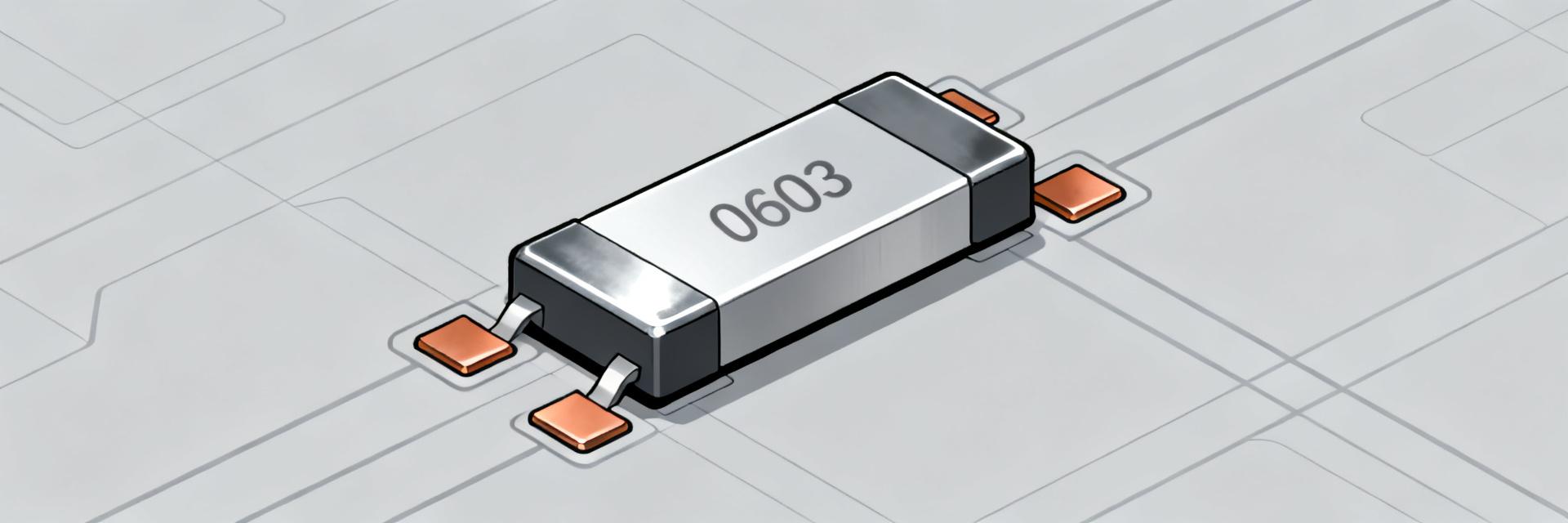
Package types, pinout and footprint verification
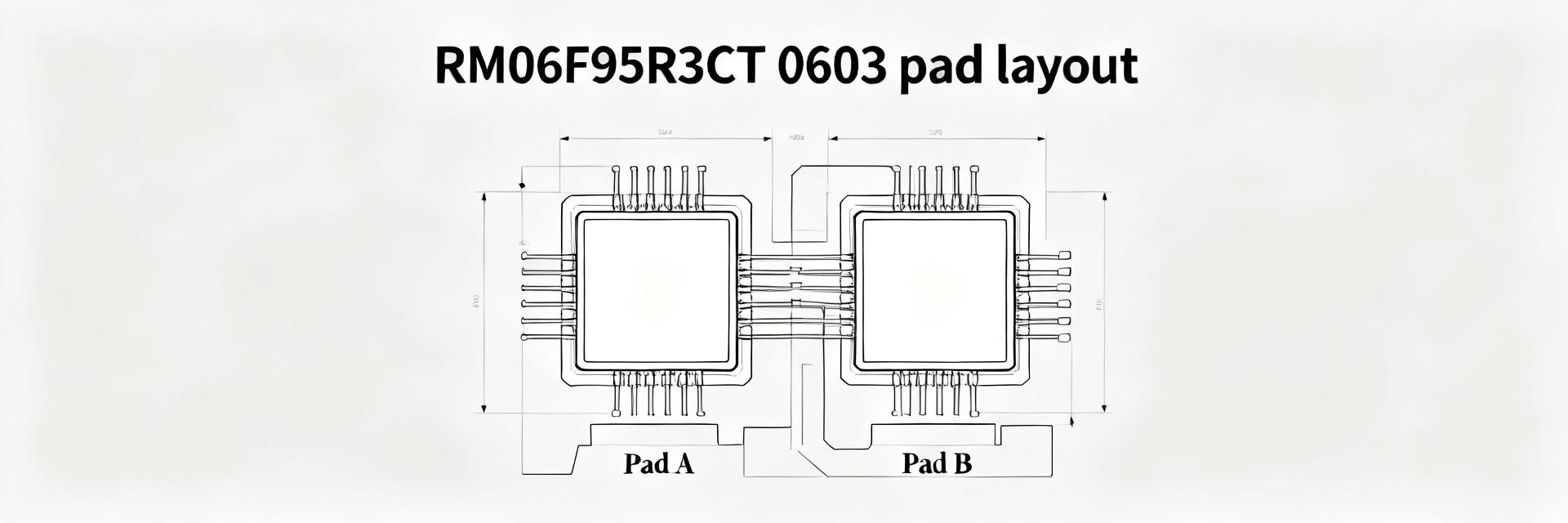
Point: Confirming the exact package variant prevents footprint and assembly errors. Evidence: The ordering code includes suffixes indicating package type and packaging format; datasheets include 2D drawings and recommended land patterns. Explanation: Cross‑check the part marking, package code and the vendor drawing against your PCB footprint and 3D models before ordering to avoid rework.
Thermal limits, derating and layout tips
Point: Thermal numbers and layout determine reliable power dissipation. Evidence: Datasheet thermal notes provide RθJA/RθJC guidance and maximum junction temperature limits for the package. Explanation: Estimate board‑level thermal performance using copper area and thermal vias; apply derating (avoid operating near max junction temp) and use thermal relief to keep the amplifier within safe margins.
How to verify an NL0333DCAE1S datasheet before buying online
Pre-purchase datasheet checklist
Point: A short checklist prevents costly mismatches. Evidence: Verify full part number including suffixes, compare multiple published PDFs for revision consistency, and confirm electrical/thermal tables plus mechanical drawings. Explanation: Copyable checks: match VCC min/max, package code and marking; confirm revision on the PDF and ensure the spec table lines up with your design limits before ordering.
Red flags & authenticity checks when sourcing online
Point: Early detection of mismatches reduces counterfeit risk. Evidence: Red flags include inconsistent markings, missing mechanical drawings, or sellers without documented traceability. Explanation: If you see discrepancies, request manufacturer confirmation, ask for date codes and COA, and prefer sellers that provide traceability and clear return policies to mitigate risk.
Where to buy NL0333DCAE1S online (US-focused buying guide)
Authorized distributors & best-practice ordering
Point: Start with authorized channels to ensure traceability and correct datasheet revision. Evidence: Distributor product pages typically show stock, datasheet PDF and revision info alongside authorized‑status indicators. Explanation: Use distributor documentation to confirm the datasheet revision and part marking, check lead time and minimum order quantities, and request formal quotes for larger buys.
Resellers and marketplaces — validating offers
Point: Smaller brokers can offer price or lead‑time advantages but carry risk. Evidence: Risk indicators include no COA, missing mechanical data, or unusually low pricing with unclear sourcing. Explanation: For brokers, request batch traceability, sample orders for first‑article testing, and negotiate return terms or escrow for larger purchases to protect procurement.
Post-purchase integration & procurement checklist
BOM & design-in checklist
Point: Final BOM checks reduce last‑minute failures. Evidence: Datasheet lists recommended external components and recommended operating conditions; mechanical notes show handling precautions. Explanation: Before finalizing the BOM, verify footprint match, list alternates/cross‑references for supply risk mitigation, and include recommended bypass and protection parts noted in the datasheet.
Receiving, inspection & test after delivery
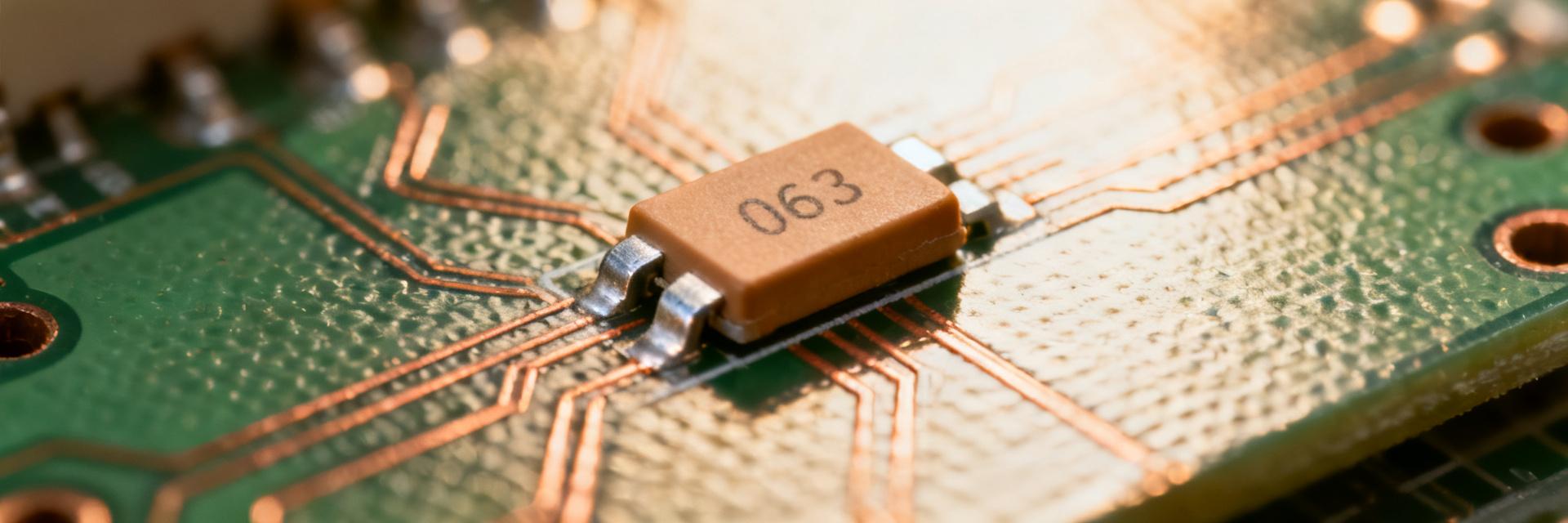
Point: Incoming inspection and first‑article tests confirm part authenticity and functionality. Evidence: Best practice: visual marking check, date code verification and a basic electrical smoke test per datasheet limits. Explanation: Document discrepancies with photos and measurements, hold suspect parts in quarantine and follow supplier return procedures with evidence to support claims.
Summary
- NL0333DCAE1S combines low‑voltage operation (VCC min 2.1 V) with very low quiescent current (~17 μA), high CMRR (~106 dB) and low input noise (~60 nV/√Hz), making it well suited for low‑power sensor front‑ends.
- Verify three critical parameters for board fit: supply range and quiescent current, package/land pattern, and input noise/CMRR across your operating band to ensure performance.
- When buying online, always confirm full part number suffixes, datasheet revision on the manufacturer PDF, and supplier traceability before placing volume orders to reduce counterfeit and mismatch risk.
FAQ
Is the NL0333DCAE1S suitable for battery‑powered sensor inputs?
Yes. The NL0333DCAE1S’s low VCC min around 2.1 V and quiescent current near 17 μA make it a good choice for battery‑powered sensor front‑ends. Verify that the input range and offset meet your accuracy requirements and compute battery life using the quiescent current under your expected duty cycle.
What key datasheet items should I check before I buy online for NL0333DCAE1S?
Check the full ordering code and package suffix, confirm VCC min/max and quiescent current against your power budget, review thermal RθJA and recommended footprint, and ensure noise/CMRR figures are measured under conditions matching your application. Request the datasheet revision on the vendor page to confirm consistency.
How should I inspect received NL0333DCAE1S parts for authenticity?
Perform a visual marking and date‑code check, compare package dimensions to the datasheet, run a first‑article electrical test at room temperature (basic bias and gain checks), and document any deviations with photos and measurements before filing claims with the supplier.