8-пиновый 4,2 мм разъем питания: Полное руководство по техническим характеристикам
Point: The 4.2 mm (0.165") pitch power header form-factor routinely supports 8–10 A per contact in common power and industrial applications, a key reason designers choose this family for mid‑power wire‑to‑board and board‑to‑board feeds.
Evidence: Typical datasheets report continuous current per contact, contact resistance, and temperature‑rise curves that define safe operating envelopes.
Explanation: This brief datasheet guide frames which fields matter and how to translate numbers into safe, manufacturable US designs.
Point: Engineers require a concise path from datasheet tables to layout and manufacturing decisions.
Evidence: Misreading conductor size, derating, or tolerances leads to overheating, poor solder joints, or failed approvals.
Explanation: The guide focuses on mechanical, materials, electrical, testing, and assembly aspects that appear in vendor datasheets and affect real builds.
1 — Background & core specifications every engineer must know
Mechanical dimensions & footprint (what to include)
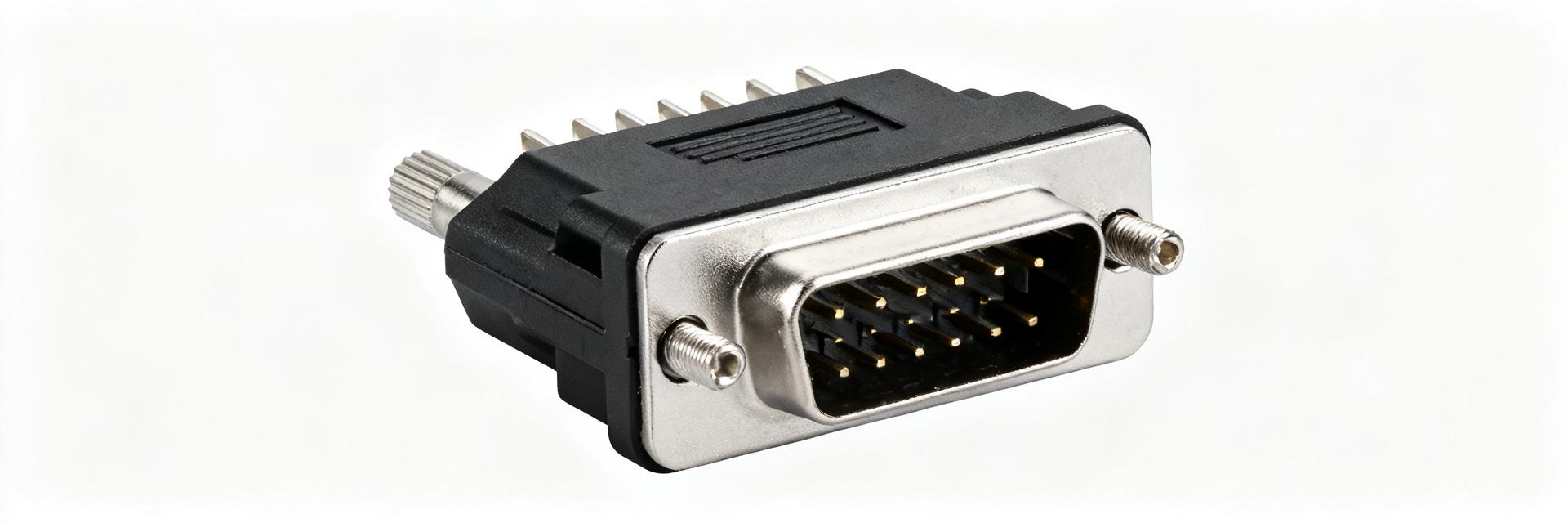
Point: Accurate pitch (4.2 mm / 0.165"), row spacing (2x4), mating height, and housing outline are the baseline. Evidence: Datasheets provide detailed dimensioned drawings with tolerances and recommended land patterns. Explanation: Designers should capture pin‑to‑pin pitch, overall footprint, mounting post locations, and recommended drill sizes to prevent mechanical interference during assembly and to ensure correct solder fillets.
Point: Recommended drawings include solder‑mask keepout and tolerances. Evidence: Typical callouts: ±0.1 mm on critical mating dimensions; ±0.2 mm elsewhere. Explanation: Provide mechanical assembly diagrams and a simple solder‑mask/keepout layer to prevent solder bridging and ensure reliable assembly; include a downloadable dimensioned drawing in vendor portals when available.
Materials, plating & connector family attributes (what to include)
Point: Housing polymer, contact base metal and plating determine lifetime and resistance. Evidence: Datasheets specify housing material (PA66 or PPS), UL94 flammability rating, contact copper alloy and plating (tin or gold flash) and rated mating cycles. Explanation: Choice of plating affects contact resistance and corrosion resistance; tin is common and economical, gold flash improves low‑level resistance and lifecycle for frequent mating—important when specifying an 8-pin 4.2mm connector for repeated service.
- ✔ Typical housing temp rating: -40°C to +105°C (select per application).
- ✔ Common contact base metals: phosphor bronze or brass; plating: tin, nickel, or gold flash.
- ✔ Mating cycles: 30–500 cycles depending on family and plating.
2 — Datasheet deep-dive: interpreting electrical and mechanical tables
Electrical ratings & how to read them (what to include)
Point: Key electrical fields are continuous current per contact, maximum voltage, contact resistance, insulation resistance, dielectric withstanding voltage, and temperature rise test results. Evidence: Datasheets show table rows: condition (ambient temp, conductor size), test method, pass criteria and measured values. Explanation: Use those test conditions to compare parts; if a datasheet lists 10 A per contact at 25°C with a 10°C rise, apply derating for higher ambient temperatures and bundle heating.
Point: Engineers must convert current rating into conductor gauge and derating. Evidence: Example: a 10 A rating at 25°C with a 30°C ambient requires derating per vendor curve—practically moving from AWG 20 to AWG 18 for lower voltage drop and to limit temperature rise. Explanation: A simple worked conversion uses conductor ampacity tables and the connector temperature‑rise curve to select wire gauge and copper trace widths.
"8-pin 4.2mm connector current rating interpretation"
— use this to search within datasheets for the test conditions that underpin stated amperage.
Mechanical drawings, tolerances & mounting styles (what to include)
Point: Through‑hole and surface‑mount variants require distinct anchor/post and pad design. Evidence: Datasheets provide recommended anchor pads, solder fillets, and post features plus tolerance notes. Explanation: Read pin numbering, row spacing, and mounting hole placement carefully—misinterpreting datum points or ignoring tolerance stacks can cause misaligned mating and unreliable solder joints.
3 — Compliance, testing and reliability data
Common tests and certifications (what to include)
Point: UL recognition, RoHS/REACH declarations, mating cycle, vibration/shock, salt spray, and housing flammability are typical. Evidence: Datasheet test tables list pass/fail criteria: e.g., 1,000‑cycle mating, 96‑hour salt spray for plated parts, UL94 V‑0 for housings. Explanation: For US products, UL recognition and RoHS compliance matter for marketplace acceptance; salt spray and plating notes inform outdoor use and corrosion resistance decisions.
Reliability metrics & lifetime expectations (what to include)
Point: MTBF, contact lifecycle, resistance drift and temperature derating curves inform safety margins. Evidence: Datasheets or reliability reports show contact resistance before/after cycles and MTBF calculations. Explanation: Map these fields to design decisions—e.g., contact resistance rise → specify gold plating or tighter contact force; include a datasheet field → design decision table below.
| Datasheet field | Design decision |
|---|---|
| Contact resistance rise | Upgrade plating or specify inspection interval |
| Mating cycles | Choose higher‑cycle family or plan preventive replacement |
| Dielectric voltage | Adjust PCB spacing and conformal coating |
4 — Design and assembly best practices for power applications
PCB layout, thermal & current-carrying considerations
Point: Copper pour, via placement and trace width determine thermal performance. Evidence: Use trace width tables referenced to copper thickness and current; thermal vias under pads reduce hotspot. Explanation: For example, route power traces with full pours and thermal reliefs, use multiple vias for current sharing, and consult datasheet temperature‑rise curves to validate trace widths for the expected current.
- Place connector on PCB edge if service access is required.
- Use large copper pours tied to connector pads for heat dissipation.
- Include mechanical anchor posts for robustness during mating.
Crimping, wiring, and assembly process controls
Point: Wire gauge, crimp quality, torque (if applicable) and soldering profile affect joint reliability. Evidence: Datasheets often specify recommended wire gauge ranges and acceptable crimp dimensions. Explanation: Implement Poka‑Yoke fixtures for crimps, define pull‑test criteria (e.g., specified Newton value), and include visual and electrical inspection steps to ensure robust assemblies.
5 — Typical use cases, troubleshooting & selection checklist
Typical applications & selection scenarios (what to include)
Point: Common uses are PSU outputs, internal industrial power distribution, battery packs and motor controllers at mid‑power levels. Evidence: Application notes and datasheet current ratings align with these uses. Explanation: Selection logic: for single high‑current wire use heavier plating and larger conductor; for multi‑wire modest current, prioritize compact footprint and standard plating to save cost.
Quick troubleshooting & an actionable spec checklist
Point: A compact pre‑purchase checklist prevents failures. Evidence: Cross‑checking datasheet fields against application conditions catches mismatches early. Explanation: Troubleshooting ties back to datasheet values—overheating suggests checking current per pin and contact resistance; intermittent contact suggests examining mating cycles and plating.
Actionable Checklist:
- Current per pin vs. application peak and continuous load
- Voltage rating and required insulation/clearance
- Mating cycles, contact resistance and plating
- Operating temperature and derating curves
- Certifications required for market entry
Summary
- Use electrical ratings, mechanical drawings and material/plating data in the datasheet to validate fit and performance; confirm current and derating margins for any 8-pin 4.2mm connector before prototyping (verify ambient and bundle heating).
- Apply PCB footprint and tolerance callouts exactly: correct pad sizes, drill diameters and solder‑mask keepouts prevent assembly defects and ensure reliable solder joints under power cycling.
- Map datasheet test results (mating cycles, contact resistance, dielectric strength) to lifecycle and safety decisions; when in doubt, choose higher plating or plan preventive maintenance based on expected cycles.
- Implement assembly controls—crimp fixtures, pull tests, visual and continuity checks—and consult temperature‑rise curves to size traces and wire gauges properly for the actual application.
What is the continuous current rating for a typical 8-pin 4.2mm connector?
Answers: Typical continuous ratings range from 6–12 A per contact depending on plating, housing, and test conditions. Always read the datasheet test conditions (ambient temperature, conductor size, allowed temperature rise) and apply derating for higher ambient or grouped conductors before finalizing wire gauge.
How do I choose wire gauge for an 8-pin 4.2mm power header?
Answers: Start with the connector's rated current per contact, consult ampacity tables for insulation and installation conditions, and use the vendor's temperature‑rise curve to confirm. In many mid‑power cases AWG 20–16 is common; select heavier gauge for sustained or bundled currents.
Can I use 8-pin 4.2mm connectors in high‑vibration environments?
Answers: Yes, if the chosen family specifies vibration/shock qualifications and has retention features or mechanical anchors. Check mating cycle ratings, contact retention force, and plating corrosion resistance; consider mechanical locking and additional strain relief for severe vibration.