504070-5191 FPC Snapshot: Current Supply & Price Trends
Market signals for 504070-5191 now point to tightening inventory, rising quoted prices, and lengthening lead times for this 0.20 mm FPC connector family. This snapshot provides an actionable buyer playbook for US engineering and procurement teams.
Background: 504070-5191 in Context

Technical Profile & Common Applications
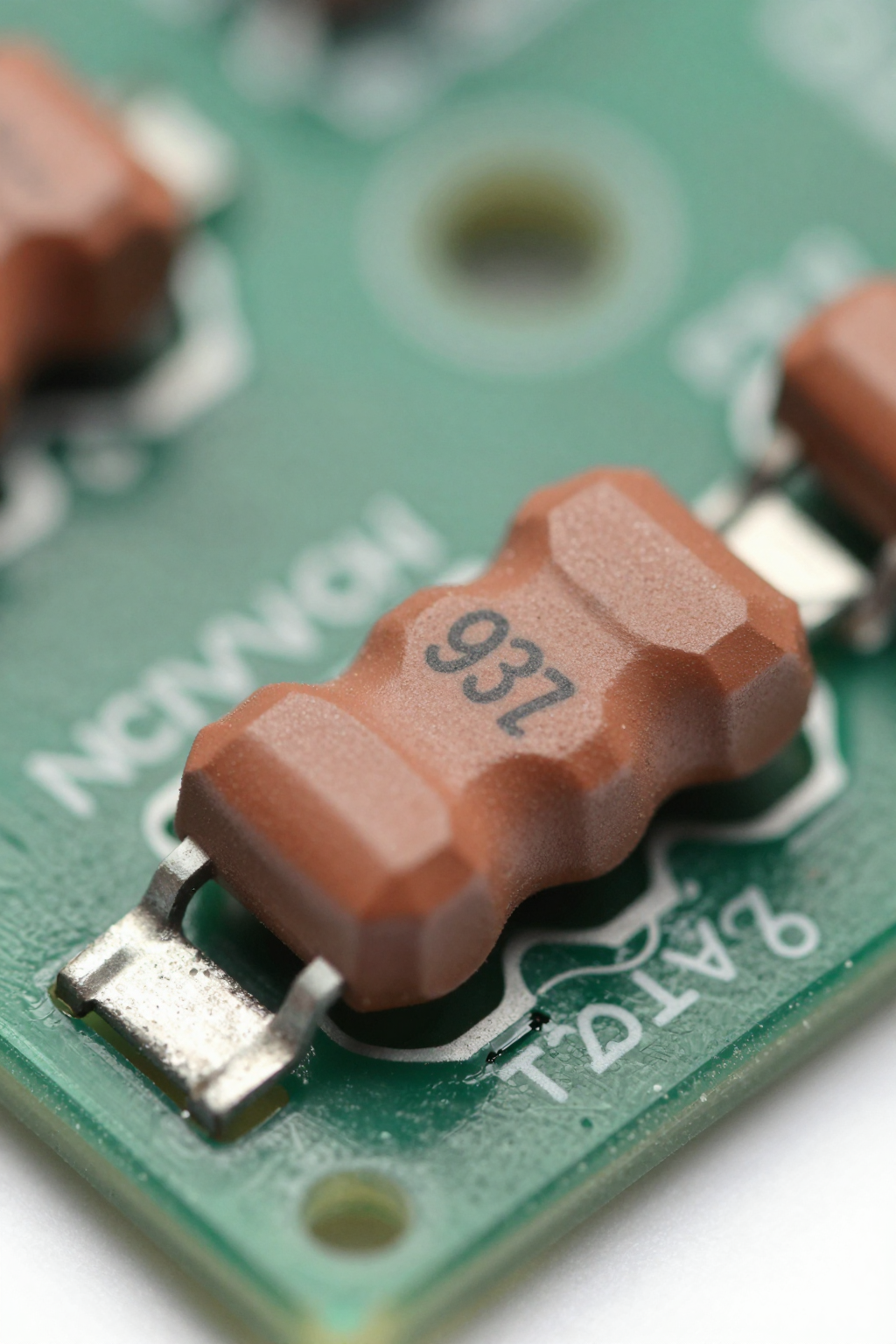
Point: 504070-5191 is a 0.20 mm pitch FPC connector optimized for back-flip or bottom-contact assemblies in space-constrained designs.
Evidence: Typical families at this pitch include single-row low-profile housings with 12–40 contacts and standard reel packaging.
Explanation: The small pitch and shallow profile make it common in thin mobile displays, camera modules, and compact consumer devices where board stack height and mating retention are critical.
Supply-Chain Role & Criticality Assessment
Point: This part often occupies a high-to-medium criticality slot on BOMs.
Evidence: When integrated into display or camera subassemblies, a shortage halts final assembly; when used as a secondary I/O, impact is lower.
Explanation: Categorize 504070-5191 as high criticality for display/camera assemblies (production stop), medium for accessory connectors (minor rework), and low for non-electrical passthroughs; mitigation priority should align with that scoring.
Current Supply Landscape — Inventory & Lead-Time Signals
Distributor & Stock Indicators
Monitor on-hand stock snapshots, quoted lead times, and MOQ/reel multiples. Sudden advertised stock drops (20–50% month-over-month) precede formal extensions.
Inventory Risk Level: High (65%)
Manufacturing Capacity
Capacity pressure aligns with product launches. 70–85% utilization suggests moderate risk; >85% signals probable 8–16 week lead extensions.
Capacity Utilization: 82%
Price Trends: Recent Movements and Drivers
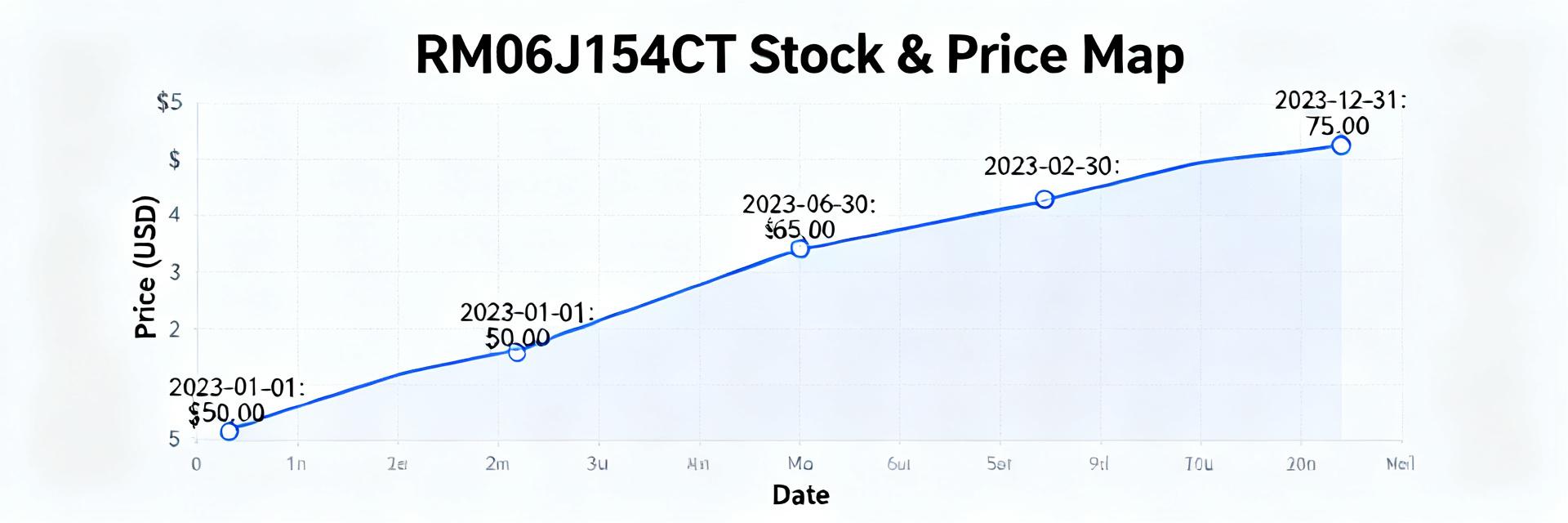
Cost Drivers: Price changes stem from precious-metal premiums (plating), copper costs, regional labor rates, and freight surges. Distinguish transient vs structural drivers in supplier queries to inform buy/no-buy decisions.
Sourcing & Procurement Tactics
Short-term Strategies (30–90 days)
Balance small-quantity buys for NPI against bulk buys. Pre-buy a production reel for critical assemblies if lead times > 8 weeks.
Decision rule: Pre-buy when forecasted stockout cost > carrying cost.
Contracting Best Practices
Target 60–120 days-of-cover for high-criticality uses. Negotiate price-protection clauses tied to clear cost drivers and use consignment for high-variation SKUs to reduce holding costs.
Alternatives & Design-Level Mitigation
Compatible Part Selection Checklist
- ✔ Validate electrical continuity & contact resistance.
- ✔ Mechanical vetting: retention force & solderability.
- ✔ Qualification tests: mechanical mating cycles (≥1000 cycles).
- ✔ Thermal cycle validation (-40°C to +85°C).
Redesign Modeling: Use a decision matrix—low impact + long redesign = wait; high impact + feasible substitution = redesign. Compare NRE costs vs daily outage revenue loss.
Actionable Checklist & Monitoring Playbook
Immediate Actions
- Validate current on-hand & days-of-cover.
- Lock near-term buys for top-critical assemblies.
- Request tiered quotes from authorized suppliers.
- Shortlist 2–3 compatible alternates.
- Update BOM risk register with mitigation plans.
Monitoring KPIs
- Lead time increase threshold: >20%.
- Price rise threshold: >10% MoM.
- Days-of-cover floor: 60 days.
- Review cadence: Weekly for high-risk SKUs.
Summary
Signals for 504070-5191 show supply tightening with upward pressure on unit costs and longer lead times driven by capacity constraints and logistics. Price trends indicate tiered movement—spot quotes spike first, production pricing follows if constraints persist. Immediate actions: validate days-of-cover, secure near-term buys for critical assemblies, and begin alternate-part qualification. For the next 90–180 days, combine weekly monitoring of lead time and price KPIs with a short-term pre-buy plan and a parallel redesign qualification path to reduce outage risk and total cost of ownership.