347930040 connector: specs, sourcing & stock insights
Recent distribution scans show compact wire-to-board headers can shift from plentiful to constrained within weeks, increasing lead times and procurement risk. This guide provides a concise, data-first technical profile and practical sourcing steps to help engineers and buyers control supply volatility and maintain production continuity.
Focusing on physical form, key specifications, sourcing verification, and procurement checklists to validate parts and minimize schedule disruption.

What the 347930040 Connector is: Background & Use Cases
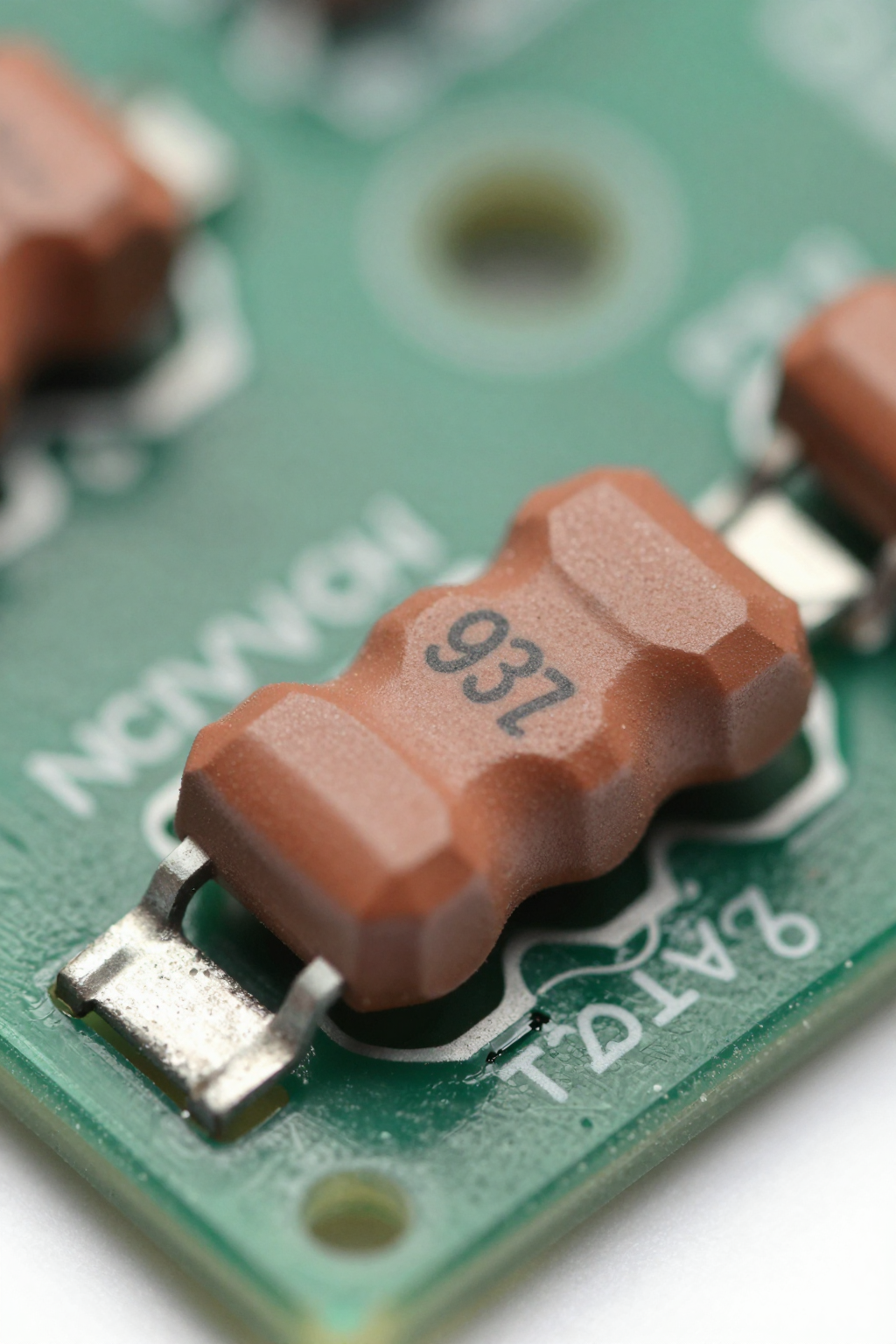
Physical Form, Pitch, and Mounting Style
Point: The part is a compact 4-pin wire-to-board header in a small-pitch family.
Evidence: Typical listings and datasheet excerpts indicate a single-row right-angle option and a 2.00 mm nominal pitch with four circuits.
Explanation: Designers should confirm whether the variant is right-angle or vertical and whether terminals are through-hole or surface-mount to match PCB stackup and cable routing needs.
Typical Applications and Industry Fit
Point: This header suits low-power signal interconnects in space-constrained assemblies.
Evidence: Common use cases include sensor modules, compact control boards, and accessory harnesses where a 4-pin, 2.00 mm pitch saves PCB area.
Explanation: Engineers favor these headers for predictable mating orientation, basic polarization features, and low-cost assembly in both consumer and industrial product lines.
Technical Specs Deep-Dive
Electrical & Mechanical Parameters
Key electrical and mechanical metrics drive acceptability for any application. Typical ratings for comparable small headers run in the 1–3 A per contact range, with voltage ratings suitable for low-voltage signaling.
Footprint & Assembly Notes
Accurate land patterns and assembly guidance prevent rework. Datasheets list recommended drill sizes for through-hole anchors and pad dimensions for SMT variants.
- • Verify footprint against actual samples before panelization.
- • Include retention pin holes for mechanical stability.
- • Follow soldering profiles strictly for mixed-technology boards.
Sourcing & Stock Insights
Real-Time Stock Verification
Verify authenticity and traceability before purchase. Best practice is cross-checking availability across multiple authorized inventory endpoints and requesting packing lists.
Lead-Times & Price Trends
Track sudden price spikes and diminishing available-to-promise quantities. Collect supplier lead-time history before committing to long production runs.
Procurement Best Practices & Risk Mitigation
Authorized Strategy
Insist on traceability and contractual protections. Contracts should require packing lists, part marking confirmation, and warranty/return terms with acceptance testing windows.
Inventory Buffering
Small headers often show volatile availability. Size safety stock using usage rates and supplier lead-time variance. Document an alternate qualification workflow to speed substitution.
Cross-Reference & Replacement Options
| Candidate | Pitch | Pin Count | Current | Notes |
|---|---|---|---|---|
| Primary (347930040) | 2.00 mm | 4 | 1-3A | Standard Reference |
| Alternate A |
Quick Action Checklist for Engineers & Buyers
Pre-Order Validation
- ✔ Confirm exact variant (Right-Angle vs. Vertical).
- ✔ Compare against the latest manufacturer datasheet.
- ✔ Request physical samples for footprint verification.
Ongoing Monitoring
- ✔ Track lead-time variance on a monthly basis.
- ✔ Set reorder triggers based on "Days of Inventory".
- ✔ Automated alerts for sudden stock level drops.
Summary
- Document critical specs before layout to avoid footprint mismatches and ensure mating reliability across production builds.
- Verify sourcing via authorized channels, require traceability paperwork, and apply inspection tests to reduce counterfeit risk.
- Size safety stock using lead-time variance and qualify alternates early to mitigate supply chain disruption.
Common Questions and Answers
What are the key specs to check on a 347930040 connector? +
Check pitch (2.00 mm), pin count (4), current rating per contact, contact resistance, mating cycles, operating temperature range, and plating/finish. Verify the PCB land pattern, drill sizes for retention pins, and assembly guidance in the manufacturer datasheet before committing to a footprint.
How should buyers verify 347930040 connector sourcing and avoid gray-market parts? +
Cross-check availability across authorized distribution endpoints, request official packing lists and traceability paperwork, and require sample inspection. Watch for inconsistent markings, nonstandard packaging, or unusually low prices—these are red flags that require laboratory or functional sample testing and contractual remedies.
When is it better to redesign the PCB for an alternate instead of accepting a pin-compatible 347930040 connector? +
If alternates introduce marginal mechanical or electrical differences that affect reliability, or if long-term supply security demands a more available footprint, a controlled PCB revision and qualification pilot are justified. Use a decision matrix weighing time-to-market, cost, and risk to determine the proper path.